How AI Agents Are Rewriting Project Management in 2026: The Rise of Autonomous Teams
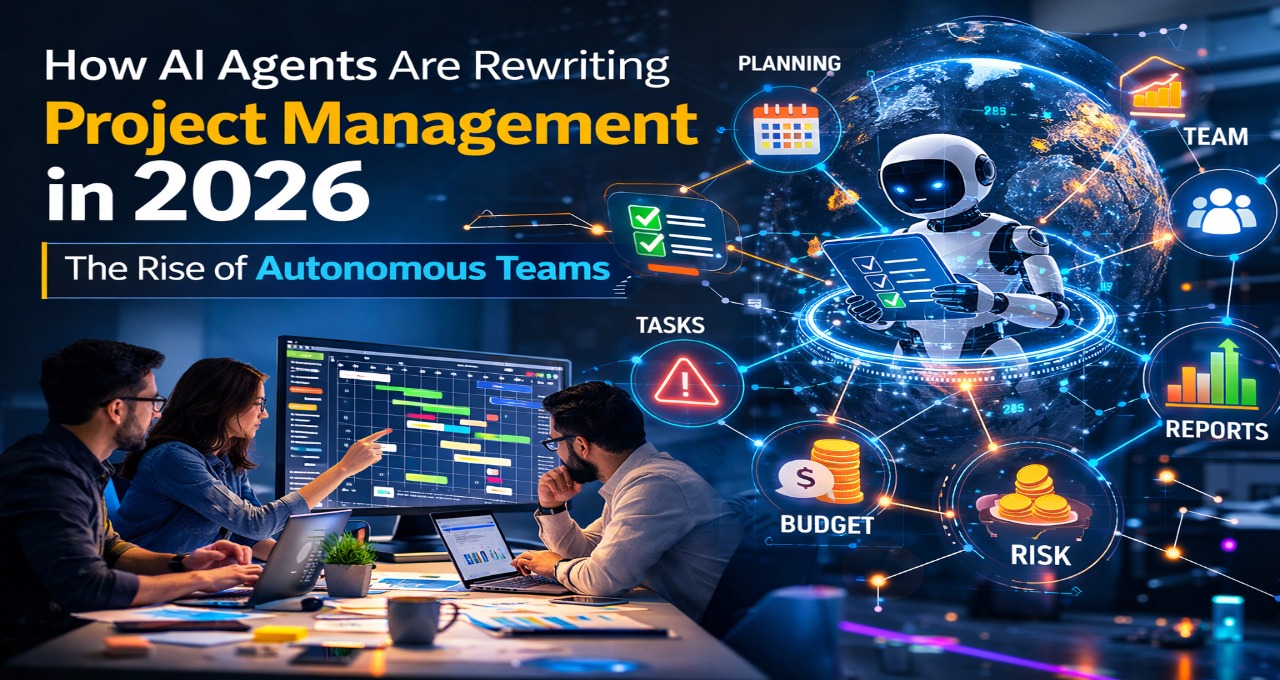
AI agents managing project workflows including scheduling, task allocation, risk prediction, and reporting in a modern autonomous project management system

Inside the emerging “Agentic PMO,” where AI agents allocate tasks, resolve conflicts, and coordinate entire projects without human micromanagement. Autonomous “Ghost Colleagues” Are Beginning to Run Modern Project Teams In 2026, project management is shifting from manual coordination to goal-driven AI agents capable of allocating tasks, predicting project risks, and orchestrating workflows across multiple enterprise … Read more
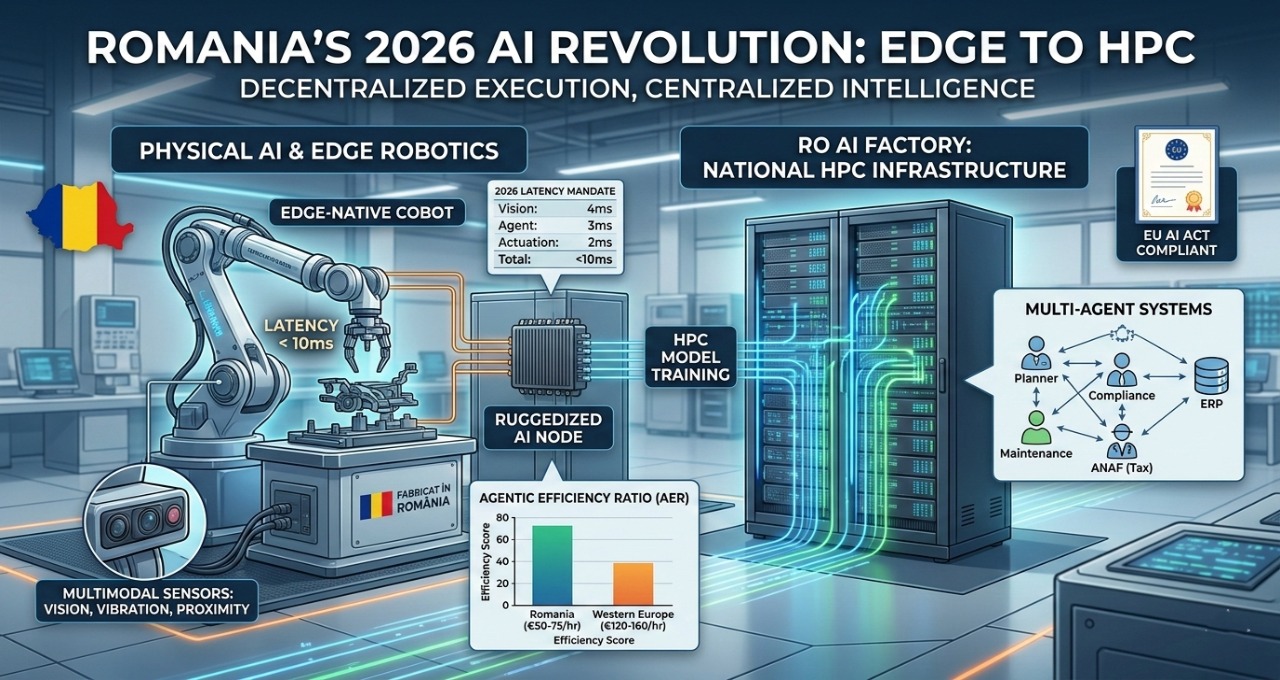
Romania’s AI Revolution in 2026: Physical AI, Multi-Agent Systems & Edge Robotics

Physical AI architecture in a Romanian automotive factory featuring edge computing nodes and robotic arms for real-time manufacturing.

Romania’s AI development direction in 2026 is defined by three forces: Physical AI robotics in manufacturing, enterprise multi-agent automation systems, and multimodal digital government infrastructure. These deployments increasingly operate under EU AI Act transparency rules and governance frameworks, creating a scalable model for industrial AI across Eastern Europe.      Romania’s AI Shift: From Outsourcing Hub to … Read more

Agentic AI Cost Engineering (2026): How Enterprises Control Token Economics and Inference Costs

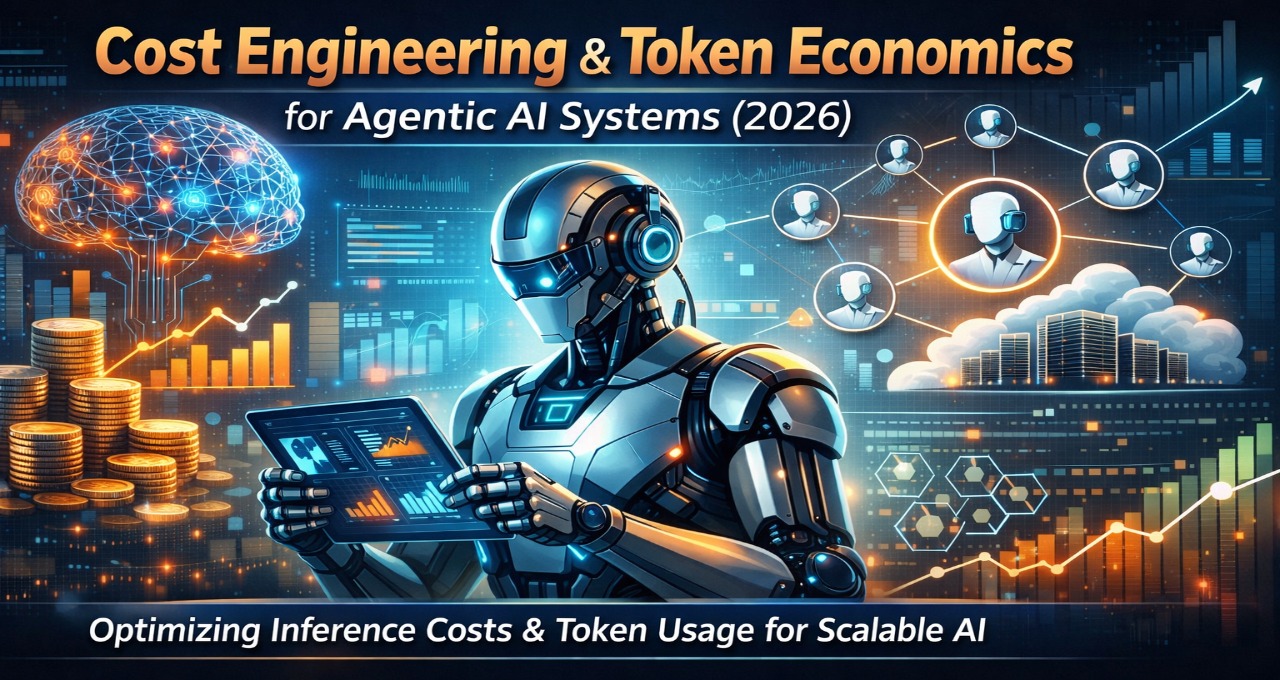
Illustration of agentic AI cost engineering with token economics dashboard, multi-agent networks, and inference cost optimization charts.

Enterprises deploying agentic AI systems in 2026 face a new challenge: controlling token economics and inference costs across autonomous multi-agent workflows. Artificial intelligence is evolving rapidly. What started as simple prompt-response systems has transformed into agentic AI architectures capable of autonomous planning, reasoning, and execution. These systems can automate complex business workflows that previously required … Read more

How Enterprises Secure Multi-Agent AI in 2026: mTLS-A, MCP & EU AI Act Governance

Enterprise multi-agent security architecture 2026 with mTLS-A identity verification and Agentic Service Mesh protection.

In 2026, enterprises secure multi-agent AI systems by implementing mTLS-A identity verification, Model Context Protocol (MCP) gateway enforcement, and deterministic governance layers aligned with EU AI Act Article 50 traceability requirements. Autonomous agents must operate under cryptographically verifiable intent, scoped permissions, and auditable semantic tracing to prevent cascade failures. Enterprise architects, CISOs, and governance leads … Read more

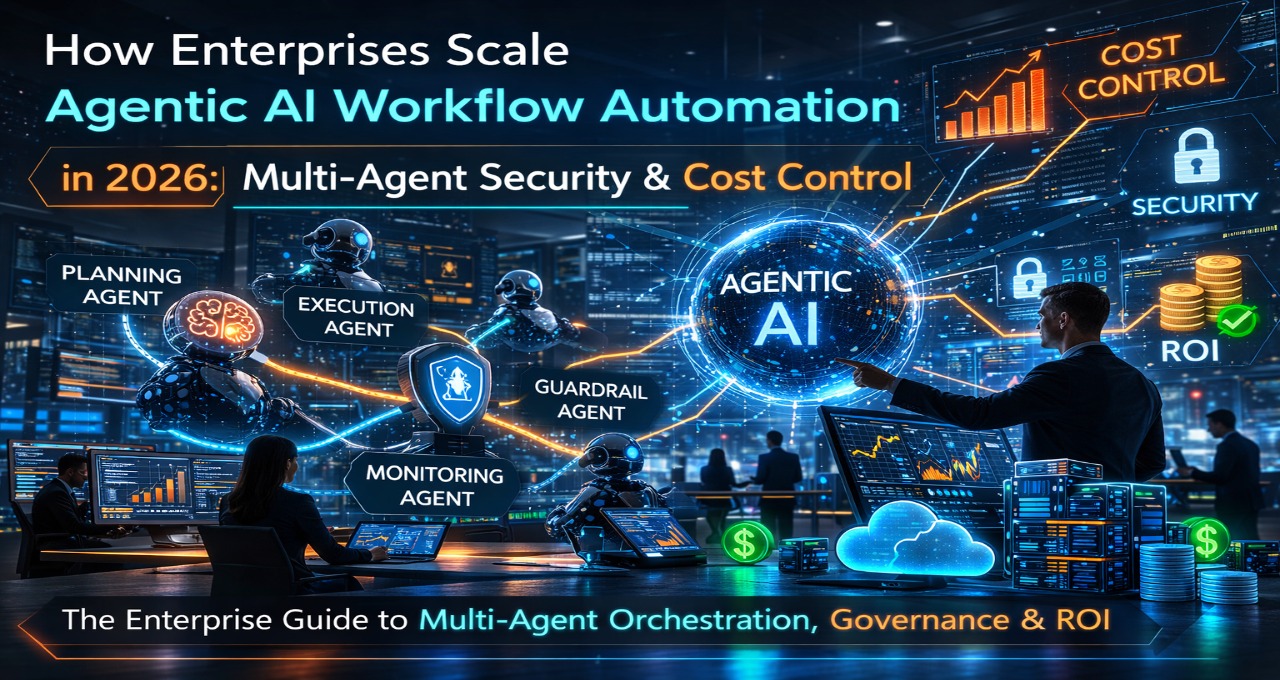
How Enterprises Scale Agentic AI Workflow Automation in 2026: Multi-Agent Security & Cost Control

Enterprise Agentic AI workflow automation architecture diagram showing multi-agent orchestration, governance guardrails, state persistence layer, and cost optimization in 2026 enterprise systems

In 2026, agentic AI workflow automation in enterprises scales through Multi-Agent Orchestration (MAO), Model Context Protocol (MCP) service meshes, and deterministic guardrails with token forecasting. Production systems integrate state persistence, mTLS-style inter-agent authentication, and reflection-loop cost caps to achieve 40–60% operational efficiency gains over legacy RPA. The 2026 Shift: From RPA Scripts to Autonomous Multi-Agent … Read more

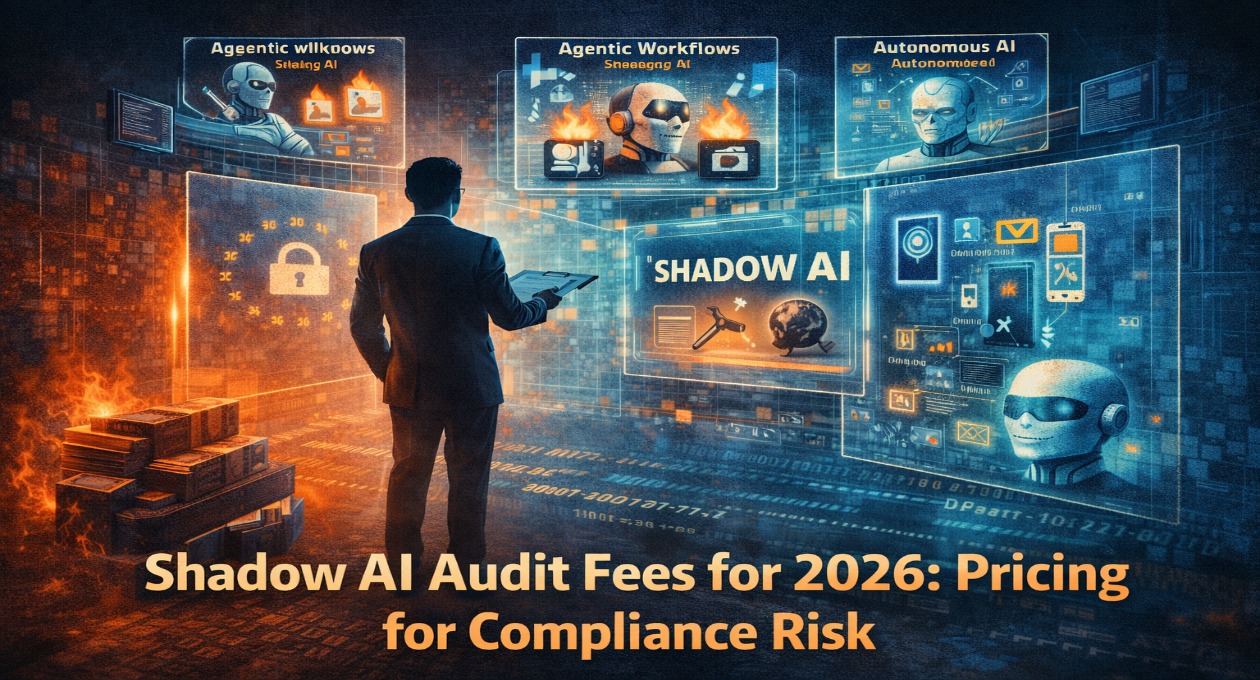
Shadow AI Audit Fees: The 2026 Pricing Matrix for EU Security Boutiques

Shadow AI audit fees in Europe showing hidden AI systems and regulatory risk under the EU AI Act 2026

In 2026, European companies are no longer asking whether they have Shadow AI.They are asking how exposed they already are. Unauthorized AI usage—employees running copilots, autonomous agents, browser extensions, and embedded models outside approved governance—has quietly become one of the fastest-growing regulatory liabilities under the EU AI Act. For cybersecurity consultants, this has created a … Read more

CISO Personal Liability Stipend Negotiation: The 2026 Survival Guide

Senior CISO in a European office, representing personal accountability and leadership responsibility under the NIS2 directive in 2026.

In 2026, the most dangerous cybersecurity role in Europe is no longer the overworked SOC analyst—it’s the CISO without personal protection. As NIS2 enforcement moves from policy to practice, senior security leaders are discovering that a high salary without legal and insurance safeguards is no longer compensation. It’s exposure. This guide explains why the CISO … Read more

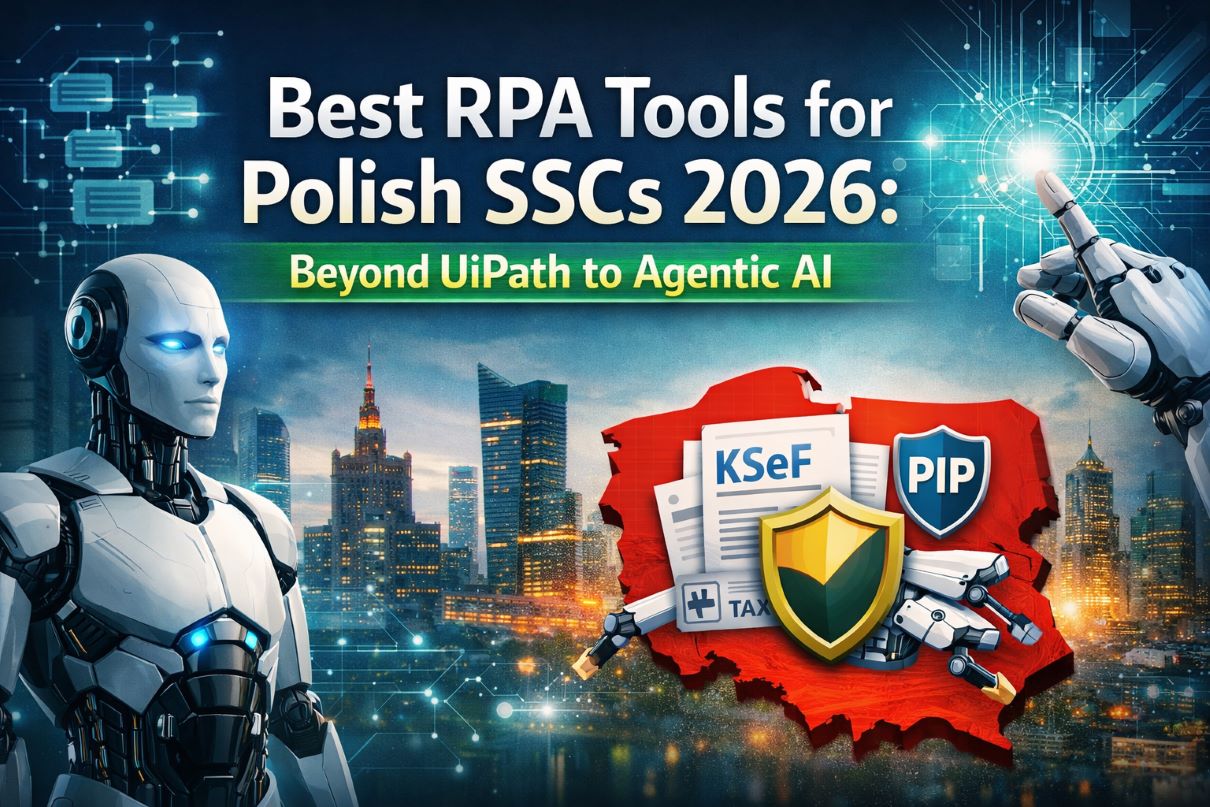
Best RPA Tools for Polish SSCs 2026: Beyond UiPath to Agentic AI

“2026 RPA landscape in Polish shared service centers comparing UiPath, Microsoft Power Automate, and Automation Anywhere across governance, cost, and compliance”

Note: This guide was updated in 2026 to reflect mandatory KSeF production rules, Polish labor reclassification powers (PIP), and the shift toward agentic, orchestration-driven RPA inside Shared Service Centers. Why This Matters Now In 2026, Poland’s Shared Service Centers (SSCs) are no longer debating whether to automate. That decision was made years ago. The real … Read more

ChatGPT Atlas vs. Google Chrome: Why OpenAI Is Building a Browser on Google’s Own Technology

In the last decade, Google Chrome quietly became the most powerful piece of software on the internet—not because it was fast, but because it sat between users, search, ads, and decisions. Now, OpenAI appears ready to challenge that position with something called ChatGPT Atlas—a browser reportedly built on Google’s own Chromium engine, but designed for … Read more