Enterprise AI Search vs. RAG Systems (2026): The CTO’s Guide to the Trust Stack
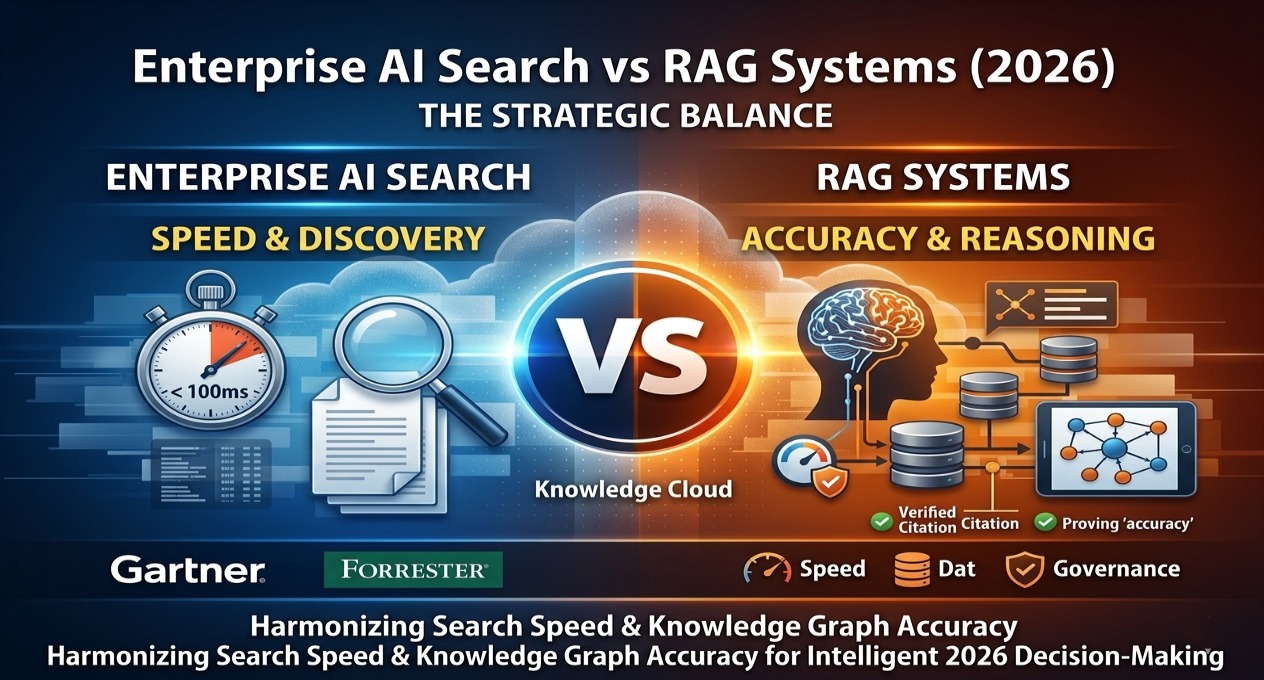
Enterprise AI Search vs RAG Systems comparison showing speed vs accuracy and discovery vs reasoning in 2026

The Shift From “Finding Data” to “Reasoning with Data” Is Redefining Enterprise AI Enterprise AI search vs RAG systems is one of the most critical architectural decisions for CTOs in 2026. While AI search delivers sub-100ms information retrieval, RAG systems enable high-accuracy reasoning and automation. The real competitive advantage lies in combining both into a … Read more
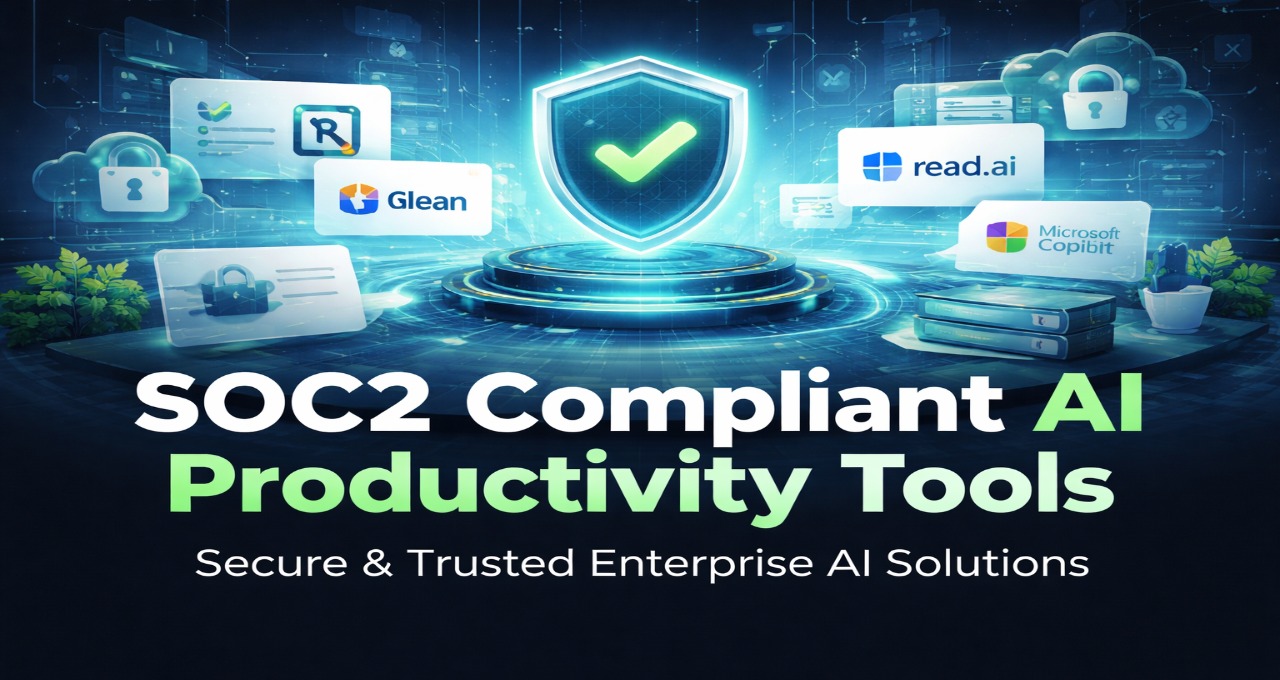
SOC2 Compliant AI Productivity Tools (2026): The Enterprise Trust Stack Guide

SOC2 compliant AI productivity tools showing enterprise trust stack with secure AI workflows and compliance architecture in 2026

The AI Shadow IT Crisis Is Forcing Enterprises to Rethink Productivity Tools SOC2 compliant AI productivity tools are no longer optional in 2026—they are the foundation of enterprise AI adoption. As organizations move from experimentation to deployment, tools must prove zero data retention, secure model isolation, and continuous audit readiness to be trusted in real-world … Read more

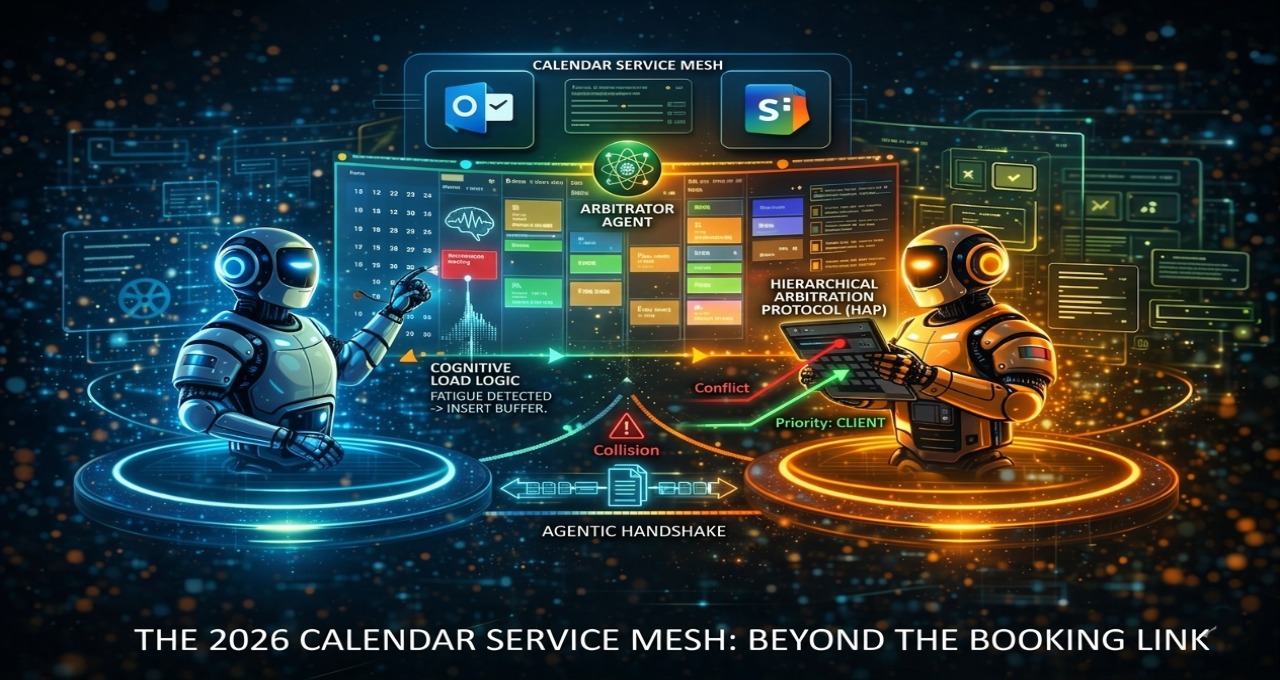
Beyond Booking Links: AI Scheduling Agents for Remote Teams in 2026

Infographic showing the calendar service mesh architecture where AI agents automatically negotiate meeting schedules across tools like Slack, Jira, Outlook, and Motion.

Remote Work Solved Geography — But Created the Coordination Tax Remote teams solved geography. But they introduced a new operational problem: coordination overhead. Across distributed organizations, scheduling a simple meeting can trigger an avalanche of emails, Slack messages, and calendar negotiation. Time zones overlap imperfectly. Context disappears between project tools and messaging platforms. Managers spend … Read more

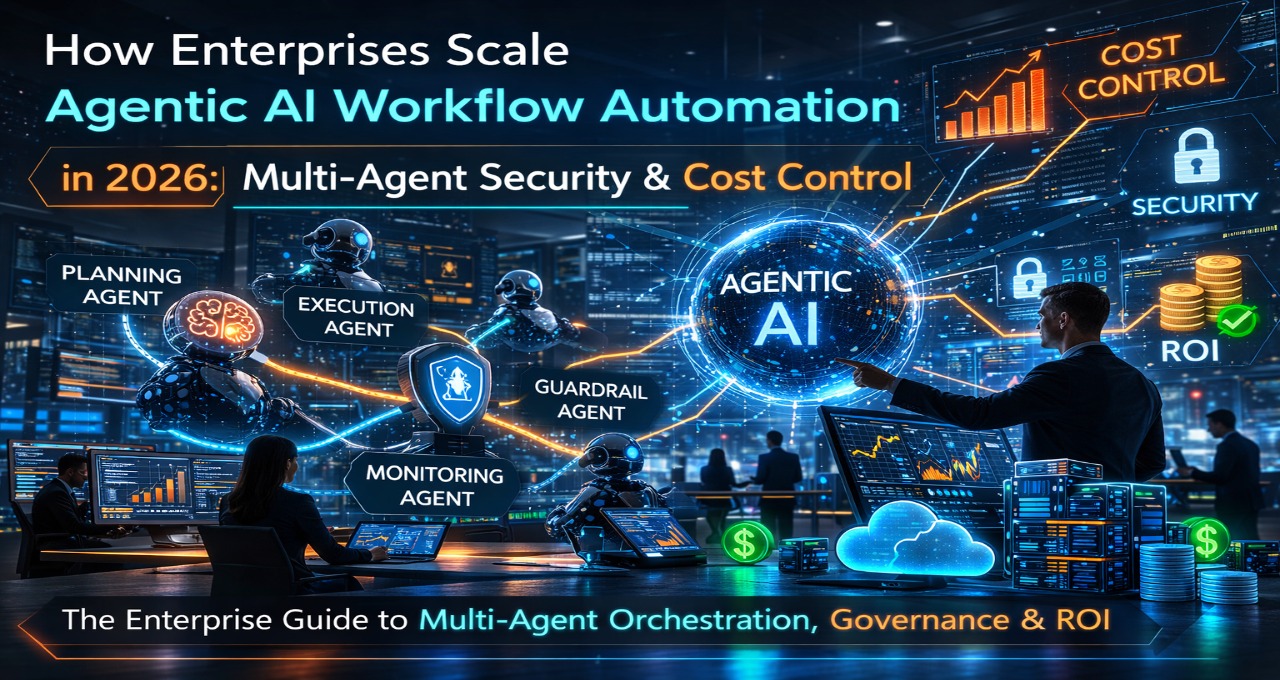
How Enterprises Scale Agentic AI Workflow Automation in 2026: Multi-Agent Security & Cost Control

Enterprise Agentic AI workflow automation architecture diagram showing multi-agent orchestration, governance guardrails, state persistence layer, and cost optimization in 2026 enterprise systems

In 2026, agentic AI workflow automation in enterprises scales through Multi-Agent Orchestration (MAO), Model Context Protocol (MCP) service meshes, and deterministic guardrails with token forecasting. Production systems integrate state persistence, mTLS-style inter-agent authentication, and reflection-loop cost caps to achieve 40–60% operational efficiency gains over legacy RPA. The 2026 Shift: From RPA Scripts to Autonomous Multi-Agent … Read more