SOC2 Compliant AI Productivity Tools (2026): The Enterprise Trust Stack Guide
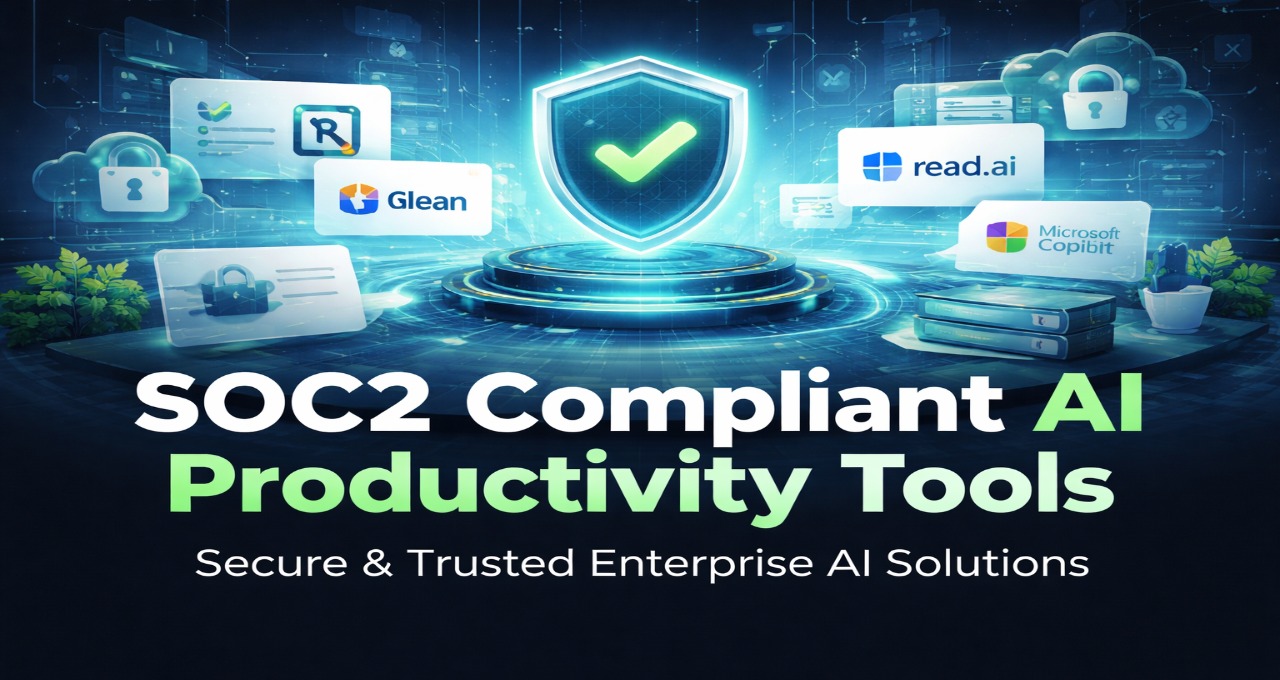
SOC2 compliant AI productivity tools showing enterprise trust stack with secure AI workflows and compliance architecture in 2026

The AI Shadow IT Crisis Is Forcing Enterprises to Rethink Productivity Tools SOC2 compliant AI productivity tools are no longer optional in 2026—they are the foundation of enterprise AI adoption. As organizations move from experimentation to deployment, tools must prove zero data retention, secure model isolation, and continuous audit readiness to be trusted in real-world … Read more

How Enterprises Secure Multi-Agent AI in 2026: mTLS-A, MCP & EU AI Act Governance

Enterprise multi-agent security architecture 2026 with mTLS-A identity verification and Agentic Service Mesh protection.

In 2026, enterprises secure multi-agent AI systems by implementing mTLS-A identity verification, Model Context Protocol (MCP) gateway enforcement, and deterministic governance layers aligned with EU AI Act Article 50 traceability requirements. Autonomous agents must operate under cryptographically verifiable intent, scoped permissions, and auditable semantic tracing to prevent cascade failures. Enterprise architects, CISOs, and governance leads … Read more

How Enterprises Scale Agentic AI Workflow Automation in 2026: Multi-Agent Security & Cost Control

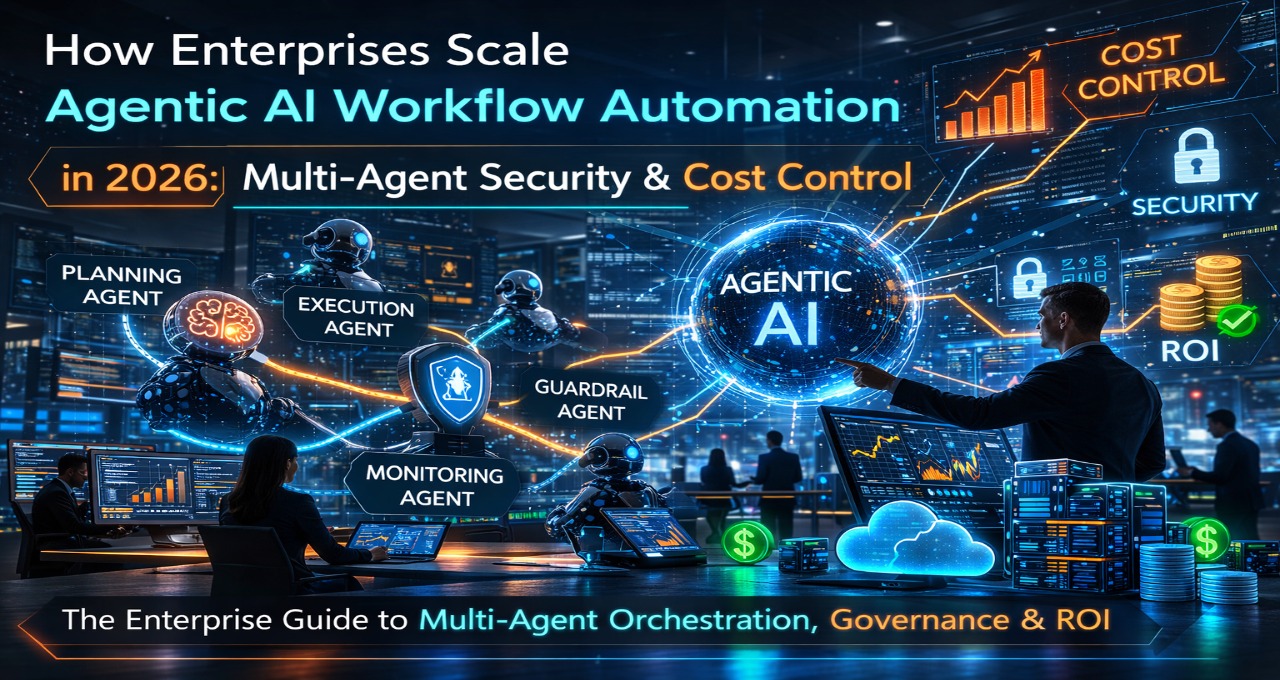
Enterprise Agentic AI workflow automation architecture diagram showing multi-agent orchestration, governance guardrails, state persistence layer, and cost optimization in 2026 enterprise systems

In 2026, agentic AI workflow automation in enterprises scales through Multi-Agent Orchestration (MAO), Model Context Protocol (MCP) service meshes, and deterministic guardrails with token forecasting. Production systems integrate state persistence, mTLS-style inter-agent authentication, and reflection-loop cost caps to achieve 40–60% operational efficiency gains over legacy RPA. The 2026 Shift: From RPA Scripts to Autonomous Multi-Agent … Read more

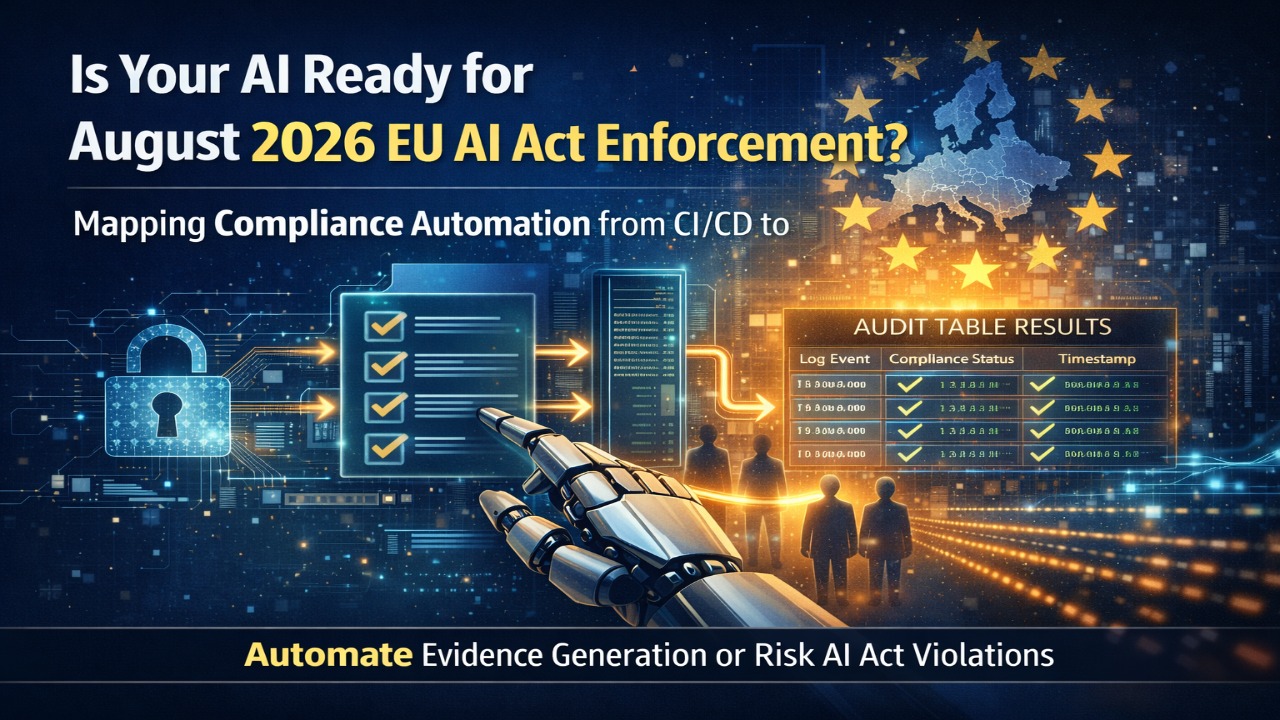
How to Automate EU AI Act Compliance Before August 2026

EU AI Act compliance architecture stack 2026 data governance documentation logging monitoring layers

If your organization operates a high-risk AI system in the EU, manual compliance is no longer viable. By August 2, 2026, automated controls for documentation, logging, and post-market monitoring will be essential to avoid enforcement exposure. Automating EU AI Act compliance requires embedding regulatory checks directly into your AI development lifecycle — from risk classification … Read more

Beyond the Tutorial: The 2026 Enterprise Standard for Defensible RAG

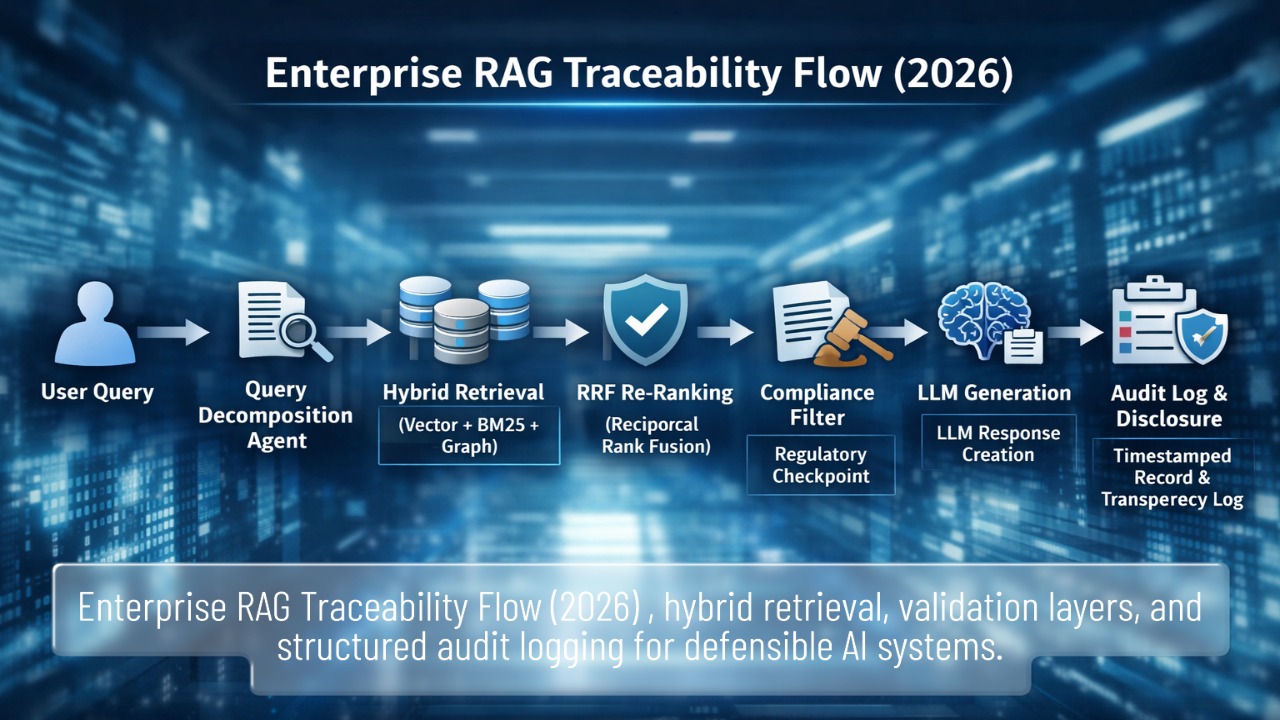
Enterprise RAG traceability flow diagram showing hybrid retrieval, RRF re-ranking, compliance validation, and structured audit logging in 2026.

In 2026, Retrieval-Augmented Generation (RAG) is no longer a prototype architecture of “vector search + LLM.” In regulated enterprises, RAG systems now influence audit conclusions, vendor risk scoring, internal policy interpretation, and customer-facing advisory responses. That shift transforms RAG from an engineering pattern into a governed decision infrastructure. Shadow vector silos, hallucination liability, EU AI … Read more