
The Silicon Employee: How Professionals Are Learning to Manage AI Coworkers in 2026
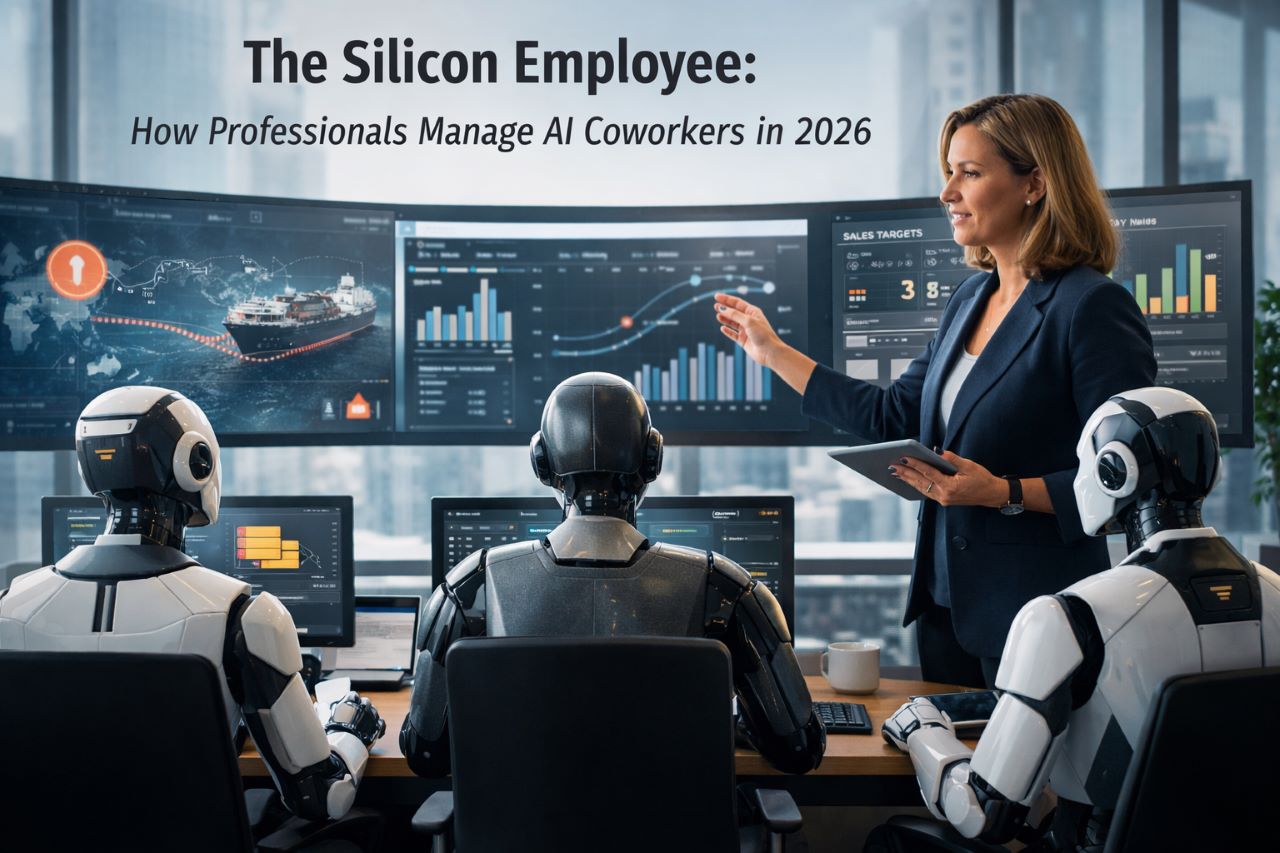
By 2026, the most consequential change in the workplace is no longer about automation replacing jobs. It is about decision-making authority quietly shifting away from humans and into software systems. Across US and European enterprises, AI agents already schedule work, prioritize tasks, adjust budgets, negotiate with vendors, and evaluate outcomes with limited human input. Gartner’s … Read more


I Let an AI Agent Do My Grocery Shopping for a Month—and Learned How Auto-Shoppers Actually Decide

Agentic commerce isn’t about bots browsing stores. It’s about a new decision logic—one that optimizes spending, timing, and restraint without a single click. Why This Story Exists Now In early 2026, artificial intelligence has crossed a subtle but consequential threshold. It is no longer limited to generating text, answering questions, or recommending products. Increasingly, it … Read more

GPT-5.2-Codex: Inside the 24-Hour “Self-Healing” Sessions Redefining Software in 2026

gpt-5-2-codex-long-running-code-review-2026

OpenAI’s Codex variant of GPT-5.2 points to a future where software doesn’t just get written faster—it actively maintains and defends itself. Why This Story Exists Now As GPT-5 enters production environments in early 2026, most public attention remains fixed on surface improvements: reasoning benchmarks, multimodal polish, and general assistant upgrades. That focus misses a quieter … Read more

ChatGPT Atlas vs. Google Chrome: Why OpenAI Is Building a Browser on Google’s Own Technology

In the last decade, Google Chrome quietly became the most powerful piece of software on the internet—not because it was fast, but because it sat between users, search, ads, and decisions. Now, OpenAI appears ready to challenge that position with something called ChatGPT Atlas—a browser reportedly built on Google’s own Chromium engine, but designed for … Read more