Beyond the Code: Why Warsaw’s AI-Ready Infrastructure Is Outpacing Bucharest for Tier-1 Enterprise Contracts in 2026

“Visual comparison of Warsaw AI GPU infrastructure versus Bucharest talent hub in 2026, highlighting local Nvidia H100 compute density, latency differences, and sovereign energy-backed data centers.”

By 2026, Tier-1 enterprises have quietly rewritten their outsourcing playbook. The decisive variable is no longer developer headcount or hourly rates—it is where AI workloads physically execute. As banks, hyperscalers, and regulated enterprises deploy agentic AI systems handling billions in capital exposure, the competition between Central and Eastern European (CEE) hubs has shifted from talent … Read more
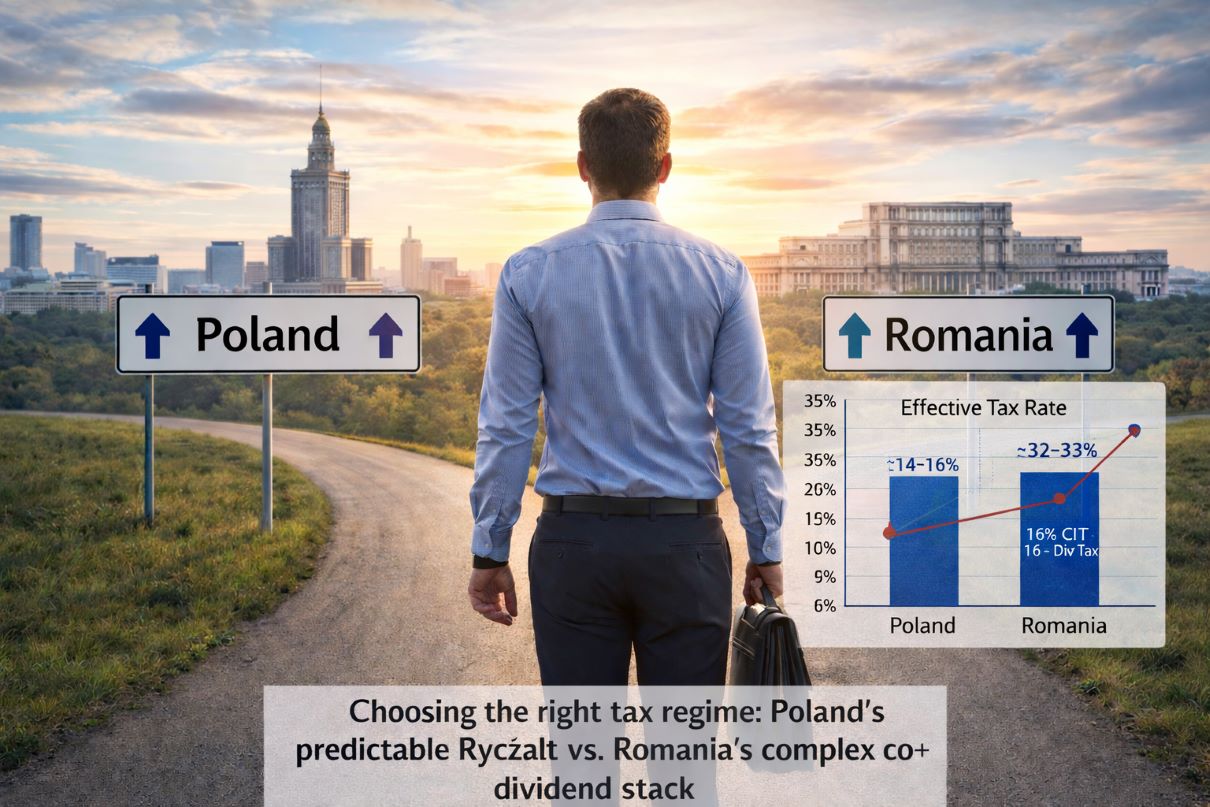
The New “Flat Tax” vs. “Lump Sum” (Ryczałt) for IT Contractors in Central Europe

IT contractor standing at a crossroads choosing between Poland’s Ryczałt tax system and Romania’s flat tax regime in 2026

A 2026 Audit of Net Income, Compliance Risk, and Career Stability Why This Matters Now By 2026, Central Europe’s IT contracting landscape has reached an inflection point. What used to be a simple comparison of tax percentages has become a structural decision shaped by real-time invoicing, cross-border data sharing, and enterprise compliance expectations. Poland, Romania, … Read more

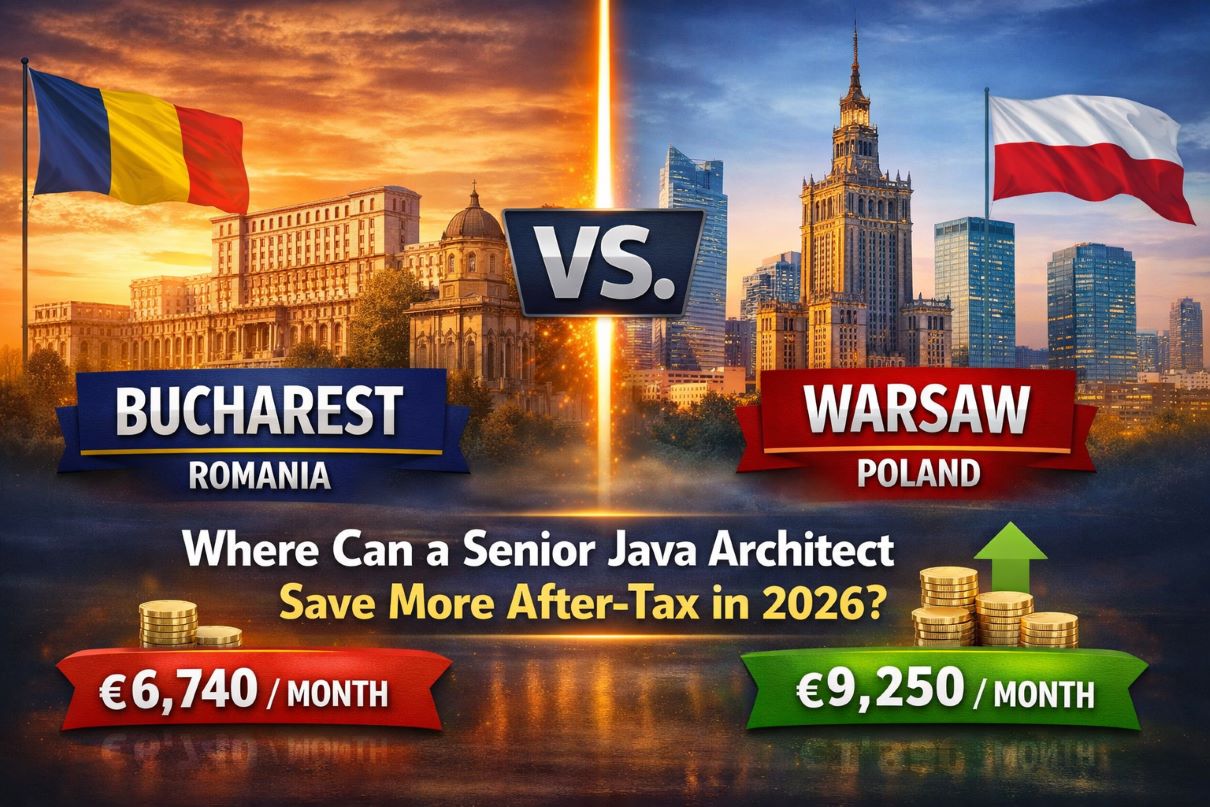
Bucharest vs. Warsaw: Where Can a Senior Java Architect Save More After-Tax in 2026?

Senior Java architect comparing after-tax income in Bucharest vs Warsaw in 2026, highlighting Poland B2B tax advantages and Romania dividend taxes

Bucharest vs. Warsaw: Where Can a Senior Java Architect Save More After-Tax in 2026? Why This Matters Now For most of the last decade, Bucharest was the rational choice for senior Java architects optimizing for after-tax income inside the EU. That logic breaks in 2026. Romania’s fiscal overhaul under Law no. 141/2025 quietly dismantled the … Read more

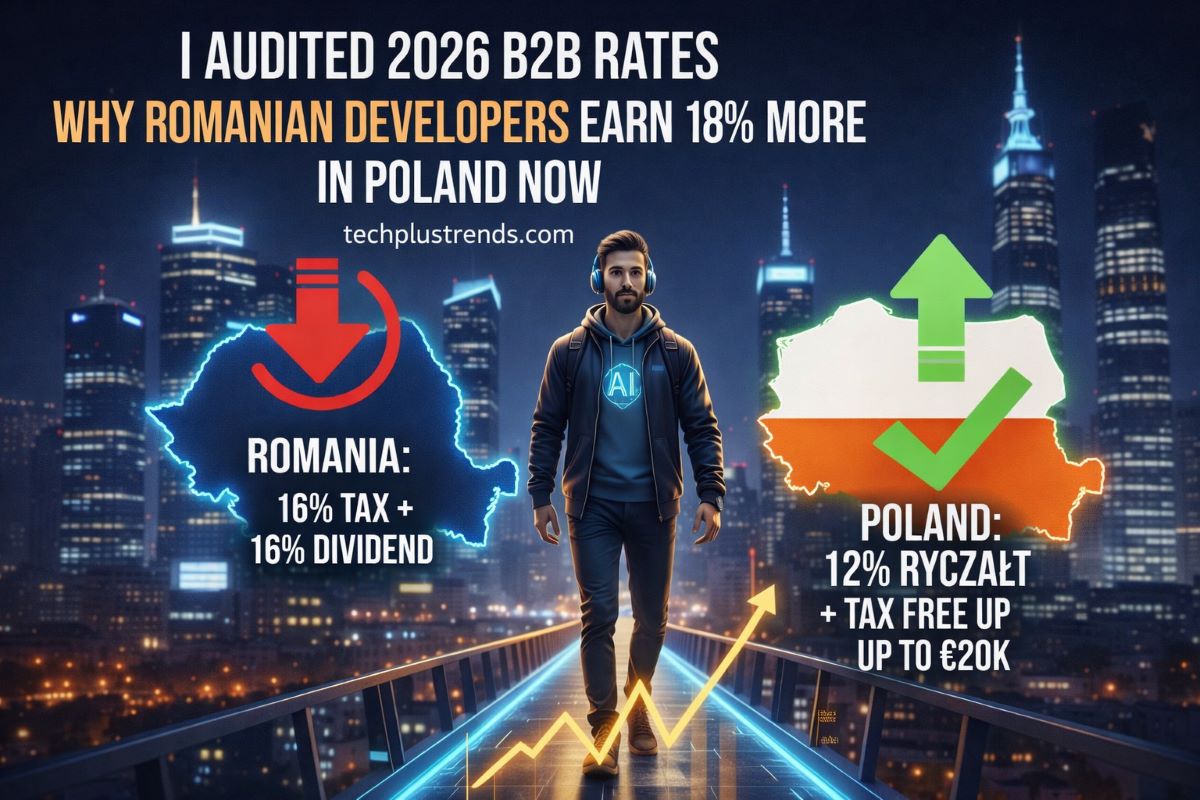
I Audited 2026 B2B Rates: Why Romanian Developers Earn 18% More in Poland Now

Visual comparison of Poland’s 12% ryczałt tax and Romania’s 16% corporate and dividend tax system affecting developers in 2026.

Why this matters now For nearly a decade, Romania was considered Europe’s most developer-friendly tax jurisdiction. A simple SRL structure, ultra-low micro-company taxes, and predictable dividend rules made it the default choice for high-earning engineers across Eastern Europe. That equilibrium breaks in 2026. Romania’s fiscal changes under Law 141/2025 collide with a quieter but structurally … Read more

Java vs. Python: Most In-Demand Tech Stack in Warsaw 2026

Why this matters now In 2026, Warsaw’s tech labor market is no longer governed by generic “developer demand” narratives. It is governed by institutional gravity. On one side sits a deeply entrenched banking, insurance, and shared services ecosystem—under pressure from KSeF 2.0, NIS2, and post-pandemic modernization mandates. On the other sits a fast-growing network of … Read more

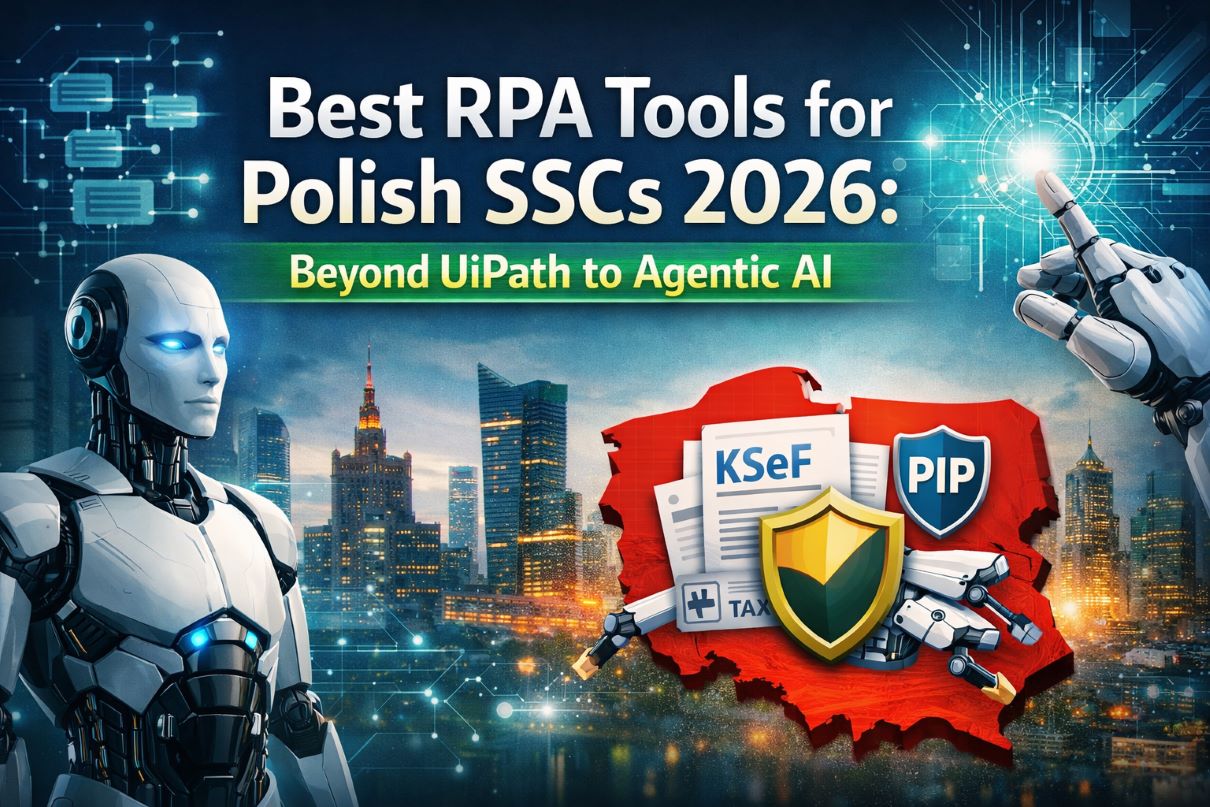
Best RPA Tools for Polish SSCs 2026: Beyond UiPath to Agentic AI

“2026 RPA landscape in Polish shared service centers comparing UiPath, Microsoft Power Automate, and Automation Anywhere across governance, cost, and compliance”

Note: This guide was updated in 2026 to reflect mandatory KSeF production rules, Polish labor reclassification powers (PIP), and the shift toward agentic, orchestration-driven RPA inside Shared Service Centers. Why This Matters Now In 2026, Poland’s Shared Service Centers (SSCs) are no longer debating whether to automate. That decision was made years ago. The real … Read more

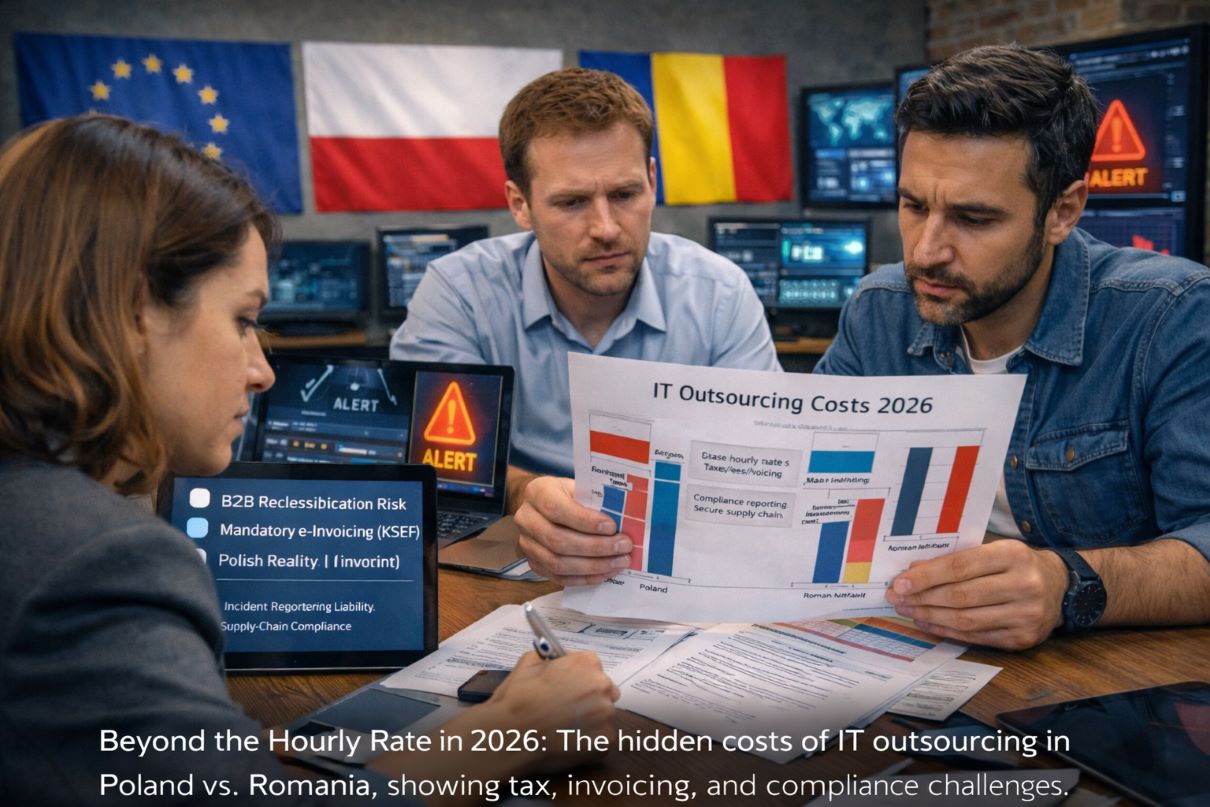
Beyond the Hourly Rate: The Hidden Costs of IT Outsourcing in Poland vs. Romania (2026)

Why This Comparison Matters Now In 2026, outsourcing decisions are no longer driven by salary arbitrage alone. For UK and US technology leaders, the question is not where developers are cheaper—but where regulatory friction, compliance exposure, and operational drag will quietly surface months after a contract is signed. Poland and Romania remain two of Europe’s … Read more

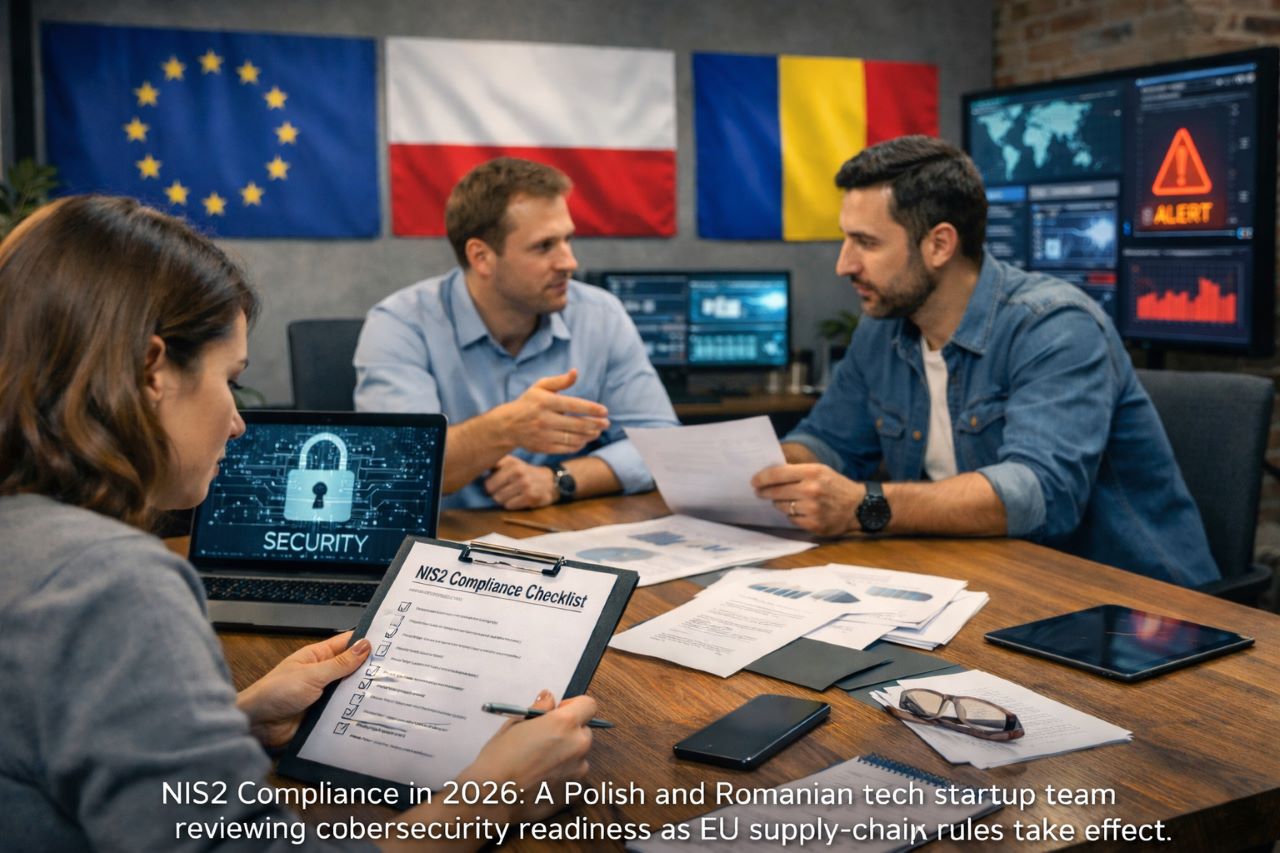
NIS2 Compliance 2026: The “Supply Chain Trap” for Poland & Romania Startups

Opening Context: Why This Story Exists Now By 2026, cybersecurity regulation in Europe has crossed a quiet but consequential line. What once lived in policy briefings and legal memos now shows up in vendor contracts, procurement questionnaires, and client audits. The EU’s NIS2 Directive is no longer an abstract framework. It is an operational requirement—one … Read more

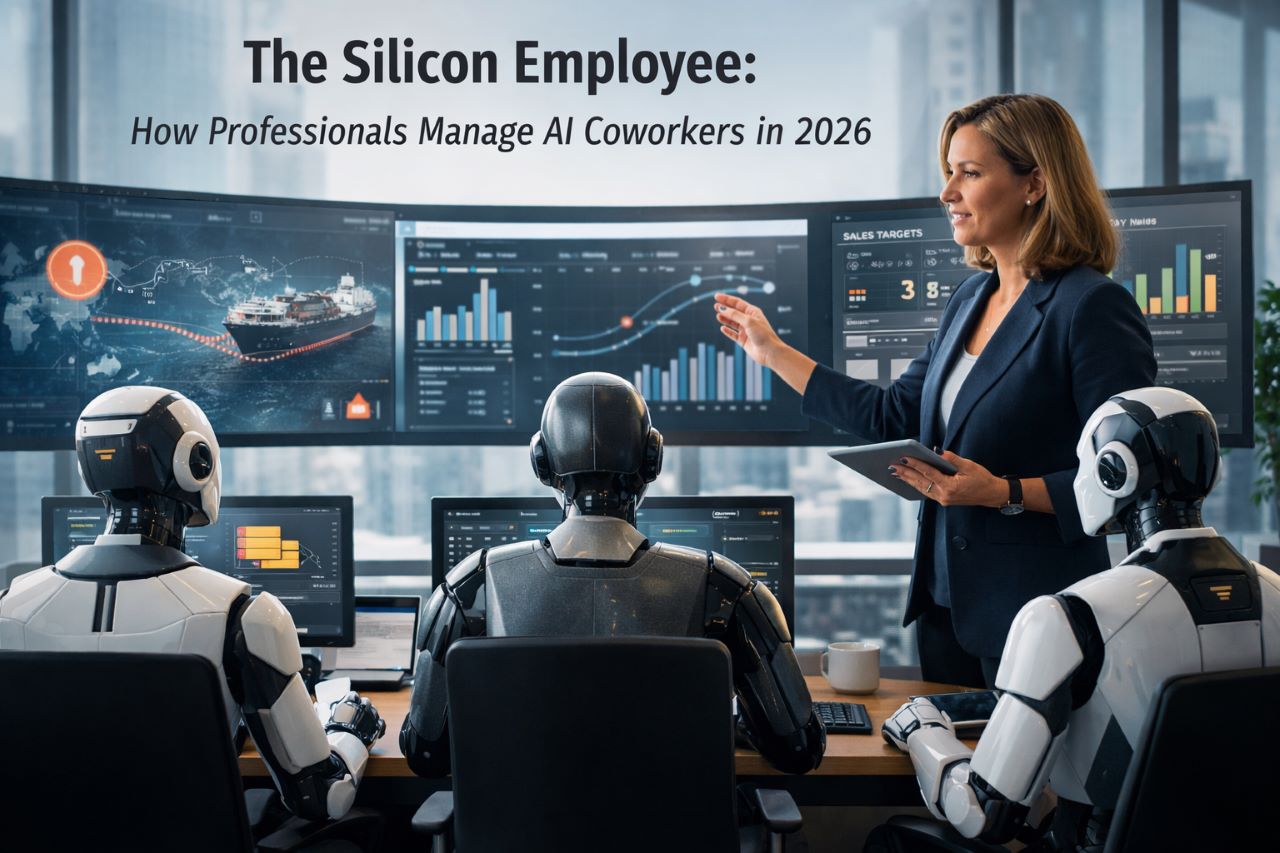
The Silicon Employee: How Professionals Are Learning to Manage AI Coworkers in 2026

By 2026, the most consequential change in the workplace is no longer about automation replacing jobs. It is about decision-making authority quietly shifting away from humans and into software systems. Across US and European enterprises, AI agents already schedule work, prioritize tasks, adjust budgets, negotiate with vendors, and evaluate outcomes with limited human input. Gartner’s … Read more

I Let an AI Agent Do My Grocery Shopping for a Month—and Learned How Auto-Shoppers Actually Decide

Agentic commerce isn’t about bots browsing stores. It’s about a new decision logic—one that optimizes spending, timing, and restraint without a single click. Why This Story Exists Now In early 2026, artificial intelligence has crossed a subtle but consequential threshold. It is no longer limited to generating text, answering questions, or recommending products. Increasingly, it … Read more