How to Automate EU AI Act Compliance Before August 2026
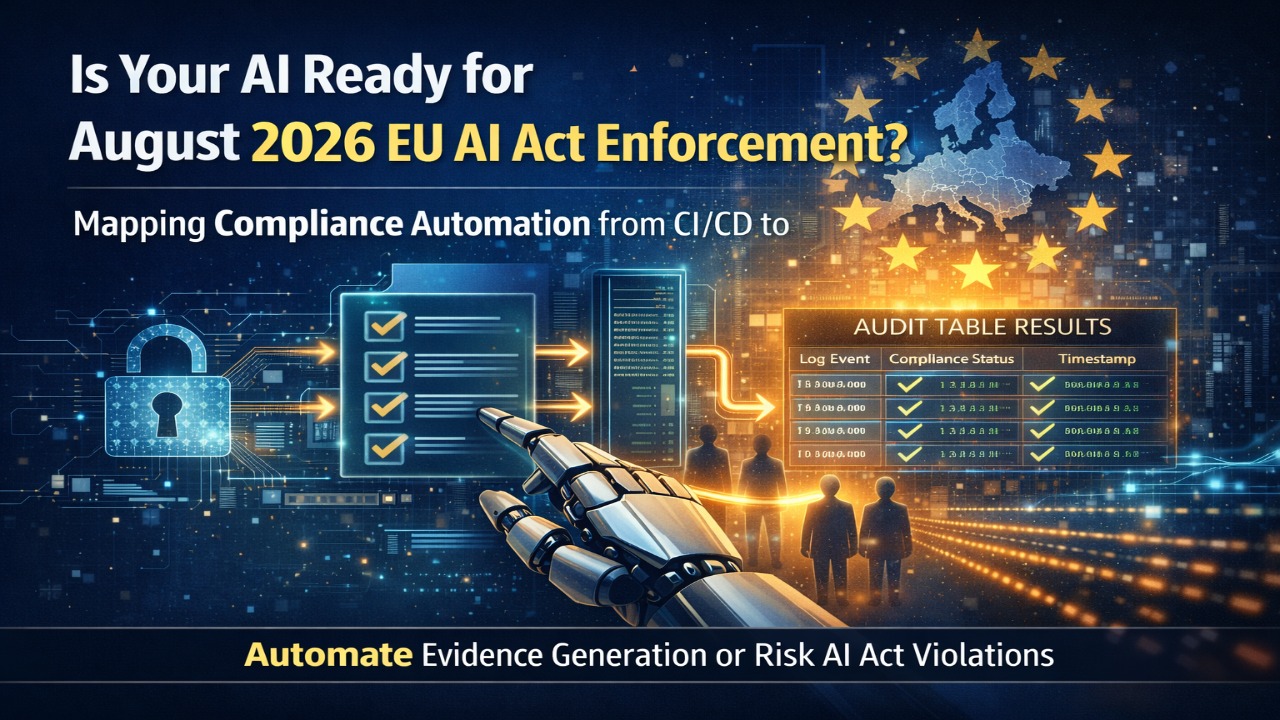
EU AI Act compliance architecture stack 2026 data governance documentation logging monitoring layers

If your organization operates a high-risk AI system in the EU, manual compliance is no longer viable. By August 2, 2026, automated controls for documentation, logging, and post-market monitoring will be essential to avoid enforcement exposure. Automating EU AI Act compliance requires embedding regulatory checks directly into your AI development lifecycle — from risk classification … Read more


AI Fraud Detection in European Banks 2026: Article 50 Disclosure, PSD3 Liability Shift & DORA Enforcement

AI fraud detection system in European banks 2026 showing EU AI Act Article 50, PSD3 liability shift and DORA compliance infrastructure

In 2026, AI fraud detection in European banks is no longer a performance arms race. It is a regulatory survival discipline shaped by the EU AI Act, PSD3 liability reform, and DORA operational resilience mandates. Fraud systems are now classified as high-risk AI systems, triggering mandatory logging, transparency, and human oversight obligations. At the same … Read more

Shadow AI Audit Fees: The 2026 Pricing Matrix for EU Security Boutiques

Shadow AI audit fees in Europe showing hidden AI systems and regulatory risk under the EU AI Act 2026

In 2026, European companies are no longer asking whether they have Shadow AI.They are asking how exposed they already are. Unauthorized AI usage—employees running copilots, autonomous agents, browser extensions, and embedded models outside approved governance—has quietly become one of the fastest-growing regulatory liabilities under the EU AI Act. For cybersecurity consultants, this has created a … Read more

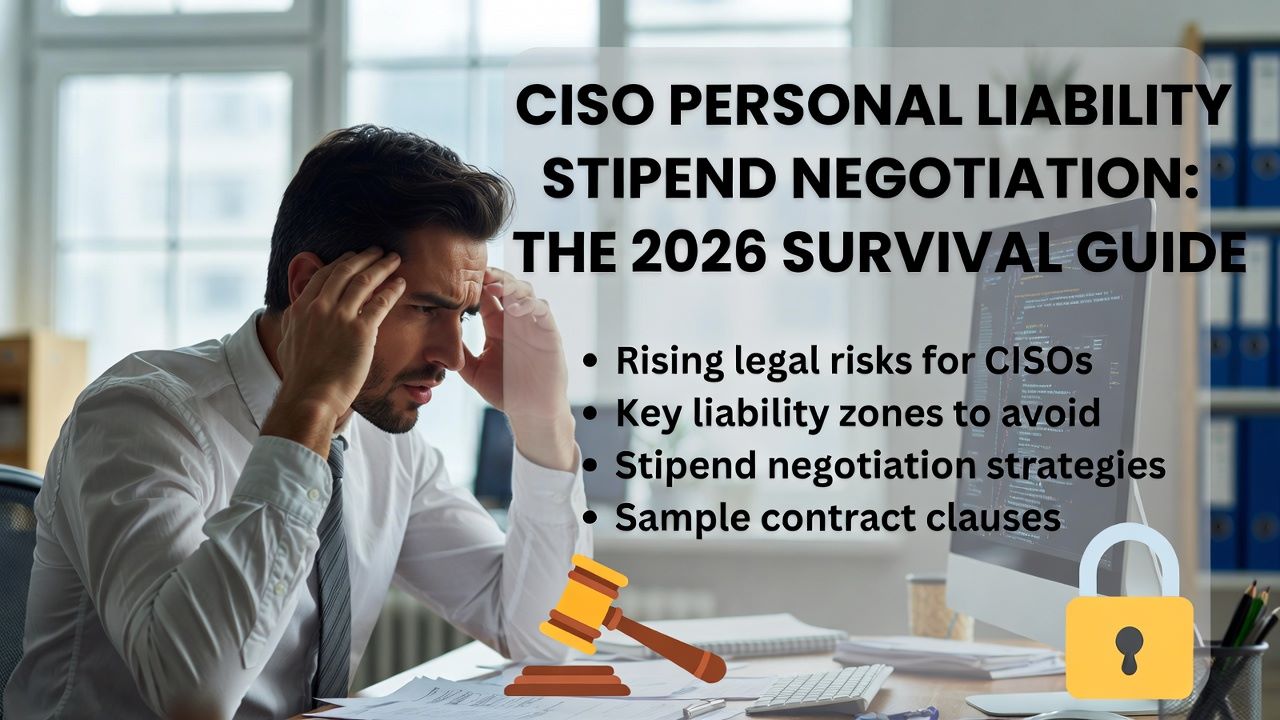
CISO Personal Liability Stipend Negotiation: The 2026 Survival Guide

Senior CISO in a European office, representing personal accountability and leadership responsibility under the NIS2 directive in 2026.

In 2026, the most dangerous cybersecurity role in Europe is no longer the overworked SOC analyst—it’s the CISO without personal protection. As NIS2 enforcement moves from policy to practice, senior security leaders are discovering that a high salary without legal and insurance safeguards is no longer compensation. It’s exposure. This guide explains why the CISO … Read more

The €15,000 Difference: Why Berlin Is Winning the NIS2 Salary War (And How Paris Fights Back)

Comparison of Berlin and Paris illustrating the NIS2-driven cybersecurity salary gap and regulatory competition between Germany and France.

Across Europe’s cybersecurity market, one salary question keeps resurfacing in 2026: why does Berlin appear to be pulling ahead of Paris for NIS2-driven roles—despite France’s reputation for tougher regulation? At first glance, the answer seems simple. German companies advertise higher gross salaries. Berlin has more open roles. Recruiters push the narrative that Germany is “winning” … Read more

The €50,000 Shadow AI Fine: Why French and German B2B Contractors Are Facing a DORA Liability Trap

Digital illustration showing a freelancer’s laptop connected to banking systems, with AI symbols in shadow, representing hidden AI liability risks under DORA in Germany and France.

Across Germany and France, B2B contractors working with banks and insurers are increasingly using AI tools to write, refactor, test, and document code. In most cases, this usage is informal: personal large language model (LLM) accounts, browser-based assistants, or tools that sit outside a client’s approved development environment. What has changed is not the technology … Read more