
How Enterprises Scale Agentic AI Workflow Automation in 2026: Multi-Agent Security & Cost Control
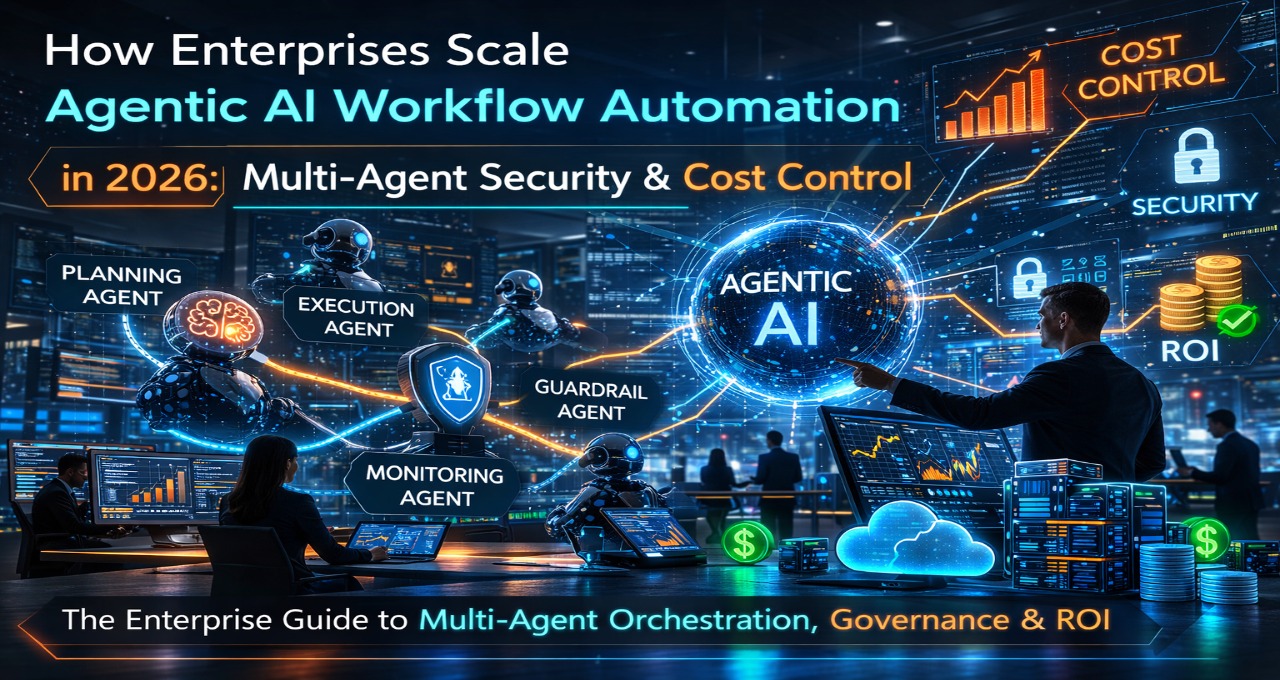
Enterprise Agentic AI workflow automation architecture diagram showing multi-agent orchestration, governance guardrails, state persistence layer, and cost optimization in 2026 enterprise systems

In 2026, agentic AI workflow automation in enterprises scales through Multi-Agent Orchestration (MAO), Model Context Protocol (MCP) service meshes, and deterministic guardrails with token forecasting. Production systems integrate state persistence, mTLS-style inter-agent authentication, and reflection-loop cost caps to achieve 40–60% operational efficiency gains over legacy RPA. The 2026 Shift: From RPA Scripts to Autonomous Multi-Agent … Read more
How to Automate EU AI Act Compliance Before August 2026

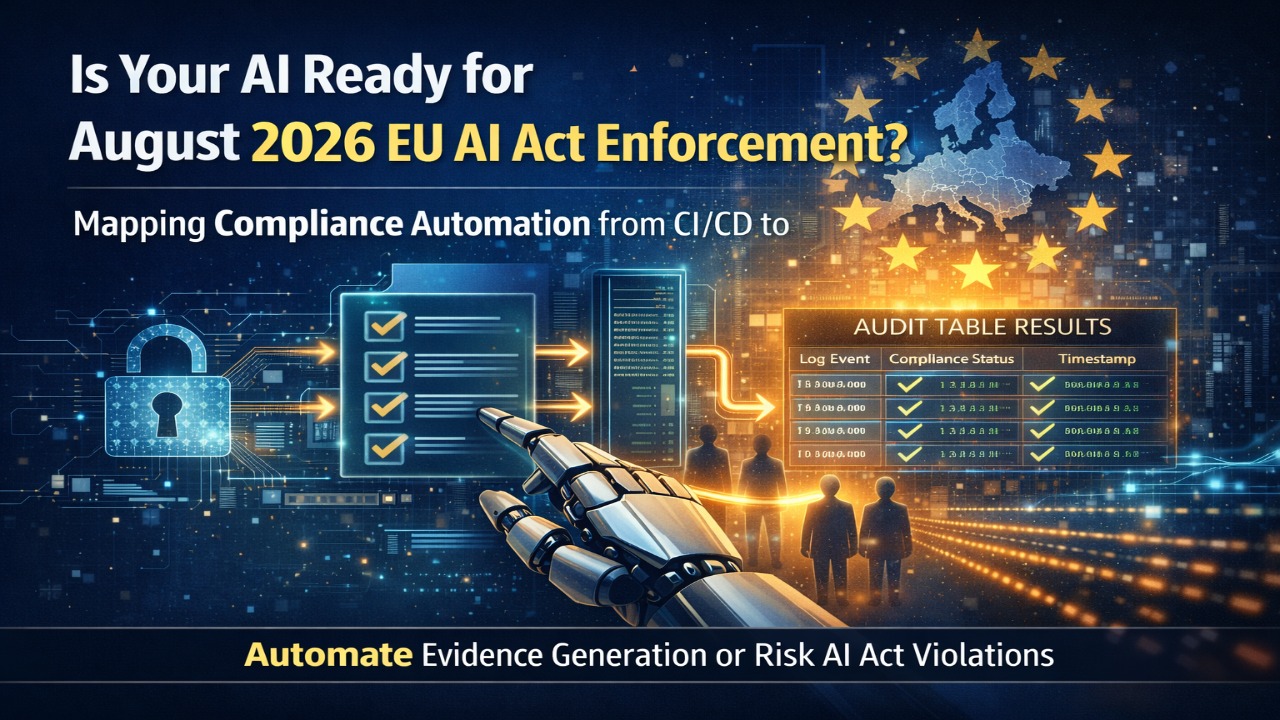
EU AI Act compliance architecture stack 2026 data governance documentation logging monitoring layers

If your organization operates a high-risk AI system in the EU, manual compliance is no longer viable. By August 2, 2026, automated controls for documentation, logging, and post-market monitoring will be essential to avoid enforcement exposure. Automating EU AI Act compliance requires embedding regulatory checks directly into your AI development lifecycle — from risk classification … Read more

Beyond the Tutorial: The 2026 Enterprise Standard for Defensible RAG

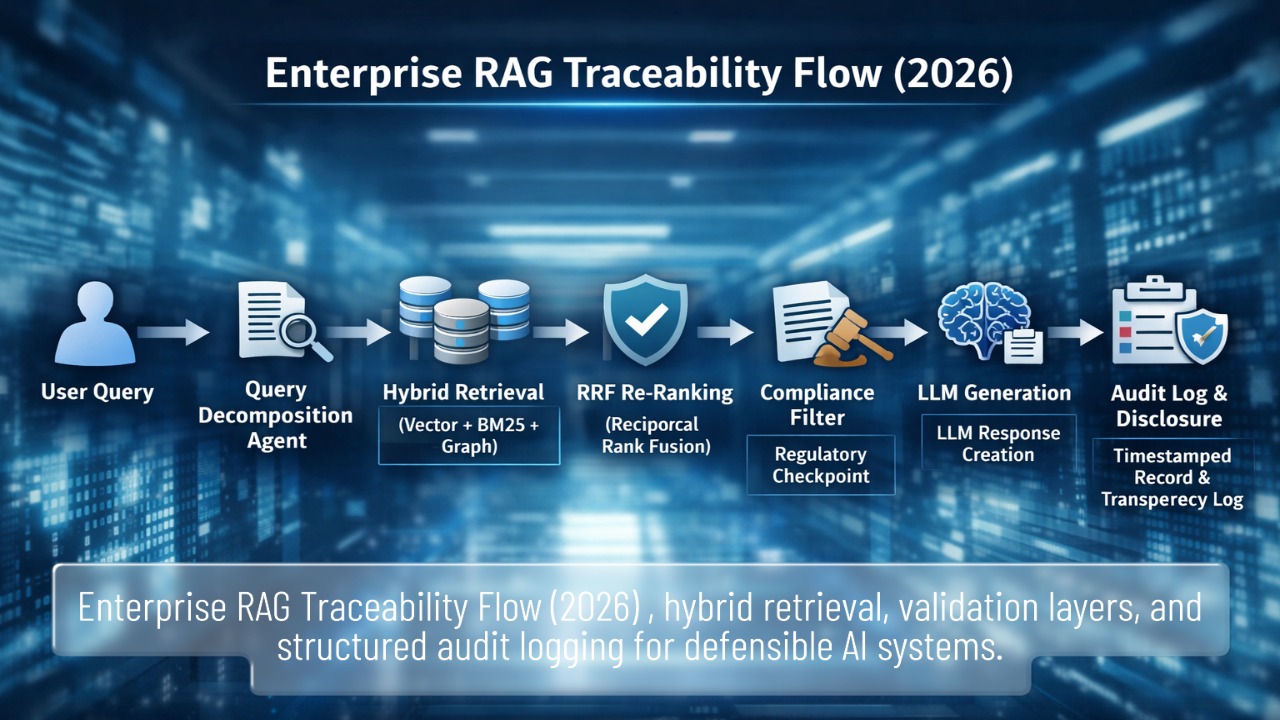
Enterprise RAG traceability flow diagram showing hybrid retrieval, RRF re-ranking, compliance validation, and structured audit logging in 2026.

In 2026, Retrieval-Augmented Generation (RAG) is no longer a prototype architecture of “vector search + LLM.” In regulated enterprises, RAG systems now influence audit conclusions, vendor risk scoring, internal policy interpretation, and customer-facing advisory responses. That shift transforms RAG from an engineering pattern into a governed decision infrastructure. Shadow vector silos, hallucination liability, EU AI … Read more