
AI NPC Gossip Protocol 2026: Scaling Multi-Agent Reputation Systems to 50,000+ Characters
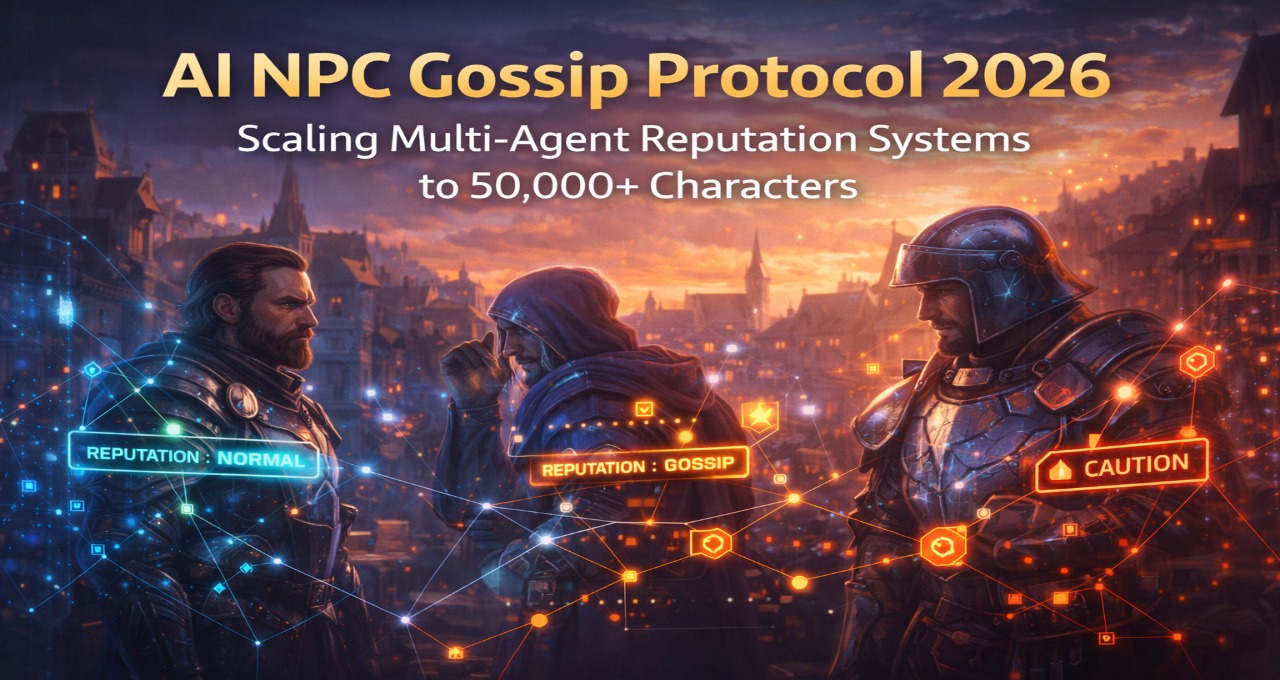
Social Graph Protocol architecture showing decentralized multi-agent NPC gossip propagation and reputation flow in 2026 gaming systems

In early game AI systems, reputation was a single global variable. If you stole bread in one village, guards across the kingdom instantly knew. That illusion no longer holds in persistent, decentralized worlds. In 2026, immersive AI-driven societies rely on distributed agent networks — the same architectural shift outlined in our deep technical breakdown of … Read more
Beyond the Tutorial: The 2026 Enterprise Standard for Defensible RAG

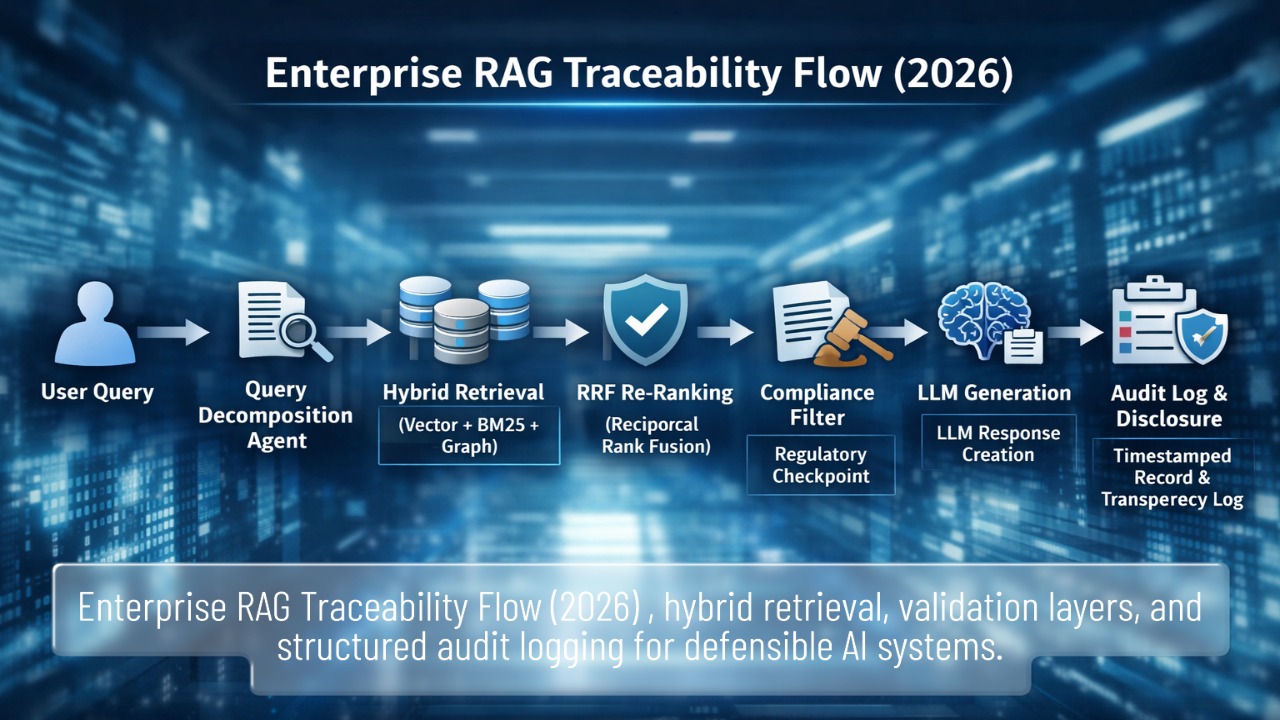
Enterprise RAG traceability flow diagram showing hybrid retrieval, RRF re-ranking, compliance validation, and structured audit logging in 2026.

In 2026, Retrieval-Augmented Generation (RAG) is no longer a prototype architecture of “vector search + LLM.” In regulated enterprises, RAG systems now influence audit conclusions, vendor risk scoring, internal policy interpretation, and customer-facing advisory responses. That shift transforms RAG from an engineering pattern into a governed decision infrastructure. Shadow vector silos, hallucination liability, EU AI … Read more

Conversational AI Chatbot Development in 2026: From Q&A Bots to Autonomous Agentic Systems

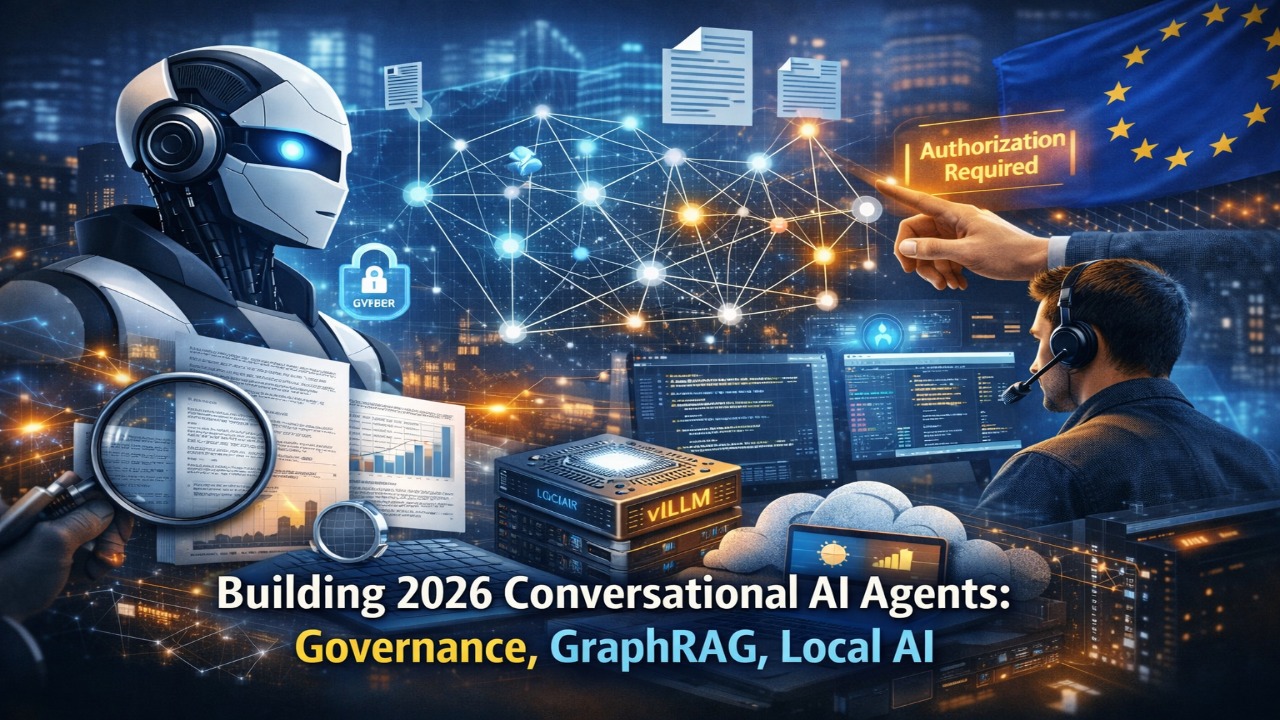
Futuristic illustration of a governed conversational AI system in 2026 showing multi-agent orchestration, GraphRAG knowledge graph, vLLM local deployment, and EU compliance oversight.

In 2026, conversational AI chatbot development has shifted from simple intent-matching systems to autonomous, auditable agentic workflows. Enterprises are no longer deploying bots that merely answer questions — they are deploying agents that execute refunds, query internal databases, trigger workflows, and operate under regulatory scrutiny. The shift introduces architectural consequences: cost volatility, hallucination liability, logging … Read more